Navy RFP for LSM Construction Manager Accelerates Medium Landing Ship Timeline
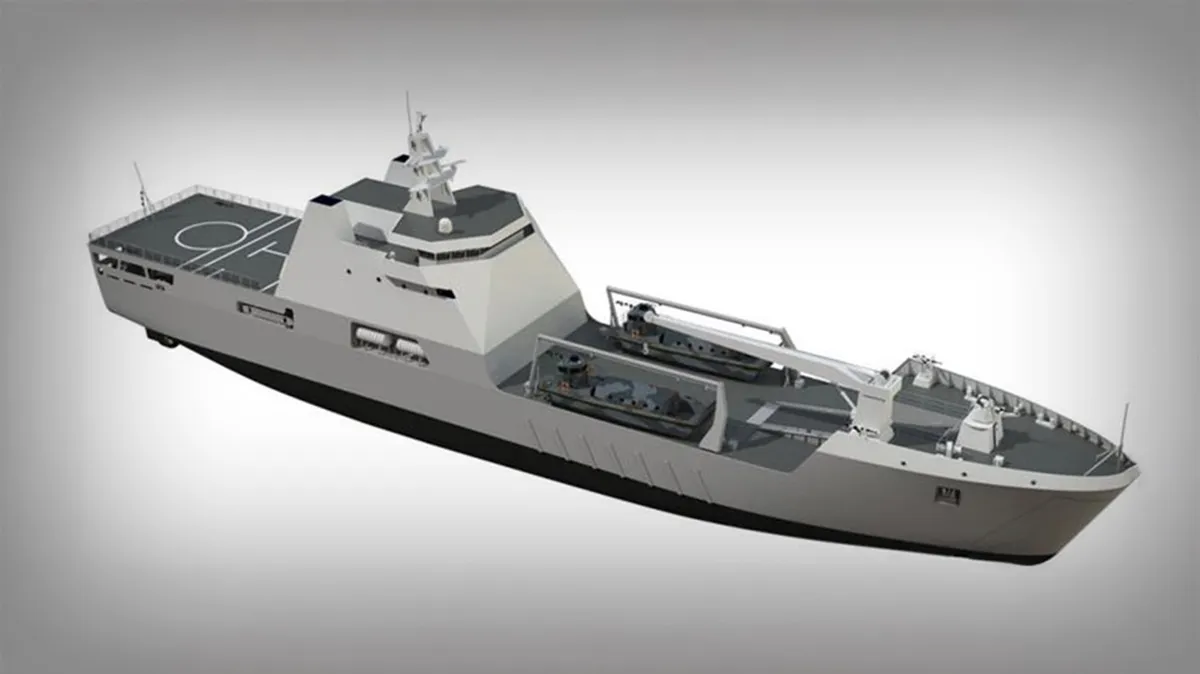
If the Navy accelerates LSM production, it directly competes for industrial base capacity and labor at the same yards (likely Austal USA, Bollinger, or similar) that are also ramping Constellation-class frigate production and sustaining LCS operations.
A compressed LSM timeline forces a sequencing decision: either LSM delays frigate builds, or the Navy must fund dual-shift or multi-yard production, both of which raise unit costs and pressure FY27-28 budget authority. The construction manager model may also signal the Navy is moving away from design-build contracts—if successful here, it could reshape how future surface combatants and support ships are procured.
The RFP signals the Navy is moving from concept phase to active execution on a class the service views as operationally urgent—likely driven by Pacific Command's need for distributed, shallow-draft amphibious capacity in contested waters.
However, without confirmation of which shipyard will build the vessels, total unit cost, or the production rate target, it's premature to assess whether this acceleration is structural or procedural.
The appointment of a construction manager (rather than a traditional prime contractor leading design-build) is itself noteworthy—it suggests the Navy may be splitting design authority from production management, a model that can either compress timelines or introduce coordination friction depending on execution.
The article does not specify: (1) which shipyard(s) are being considered or will be selected; (2) total program cost or unit cost targets; (3) planned production rate (ships per year); (4) whether this RFP reflects a change in LSM requirements or just procurement method; (5) how this acceleration af...
Fault Lines
Strategic intelligence, synthesized daily — with a public track record. Every call graded against what actually happened.