Space Force Missile Warning, SDN Programs Win FY27 Budget Boost Amid Iran Conflict
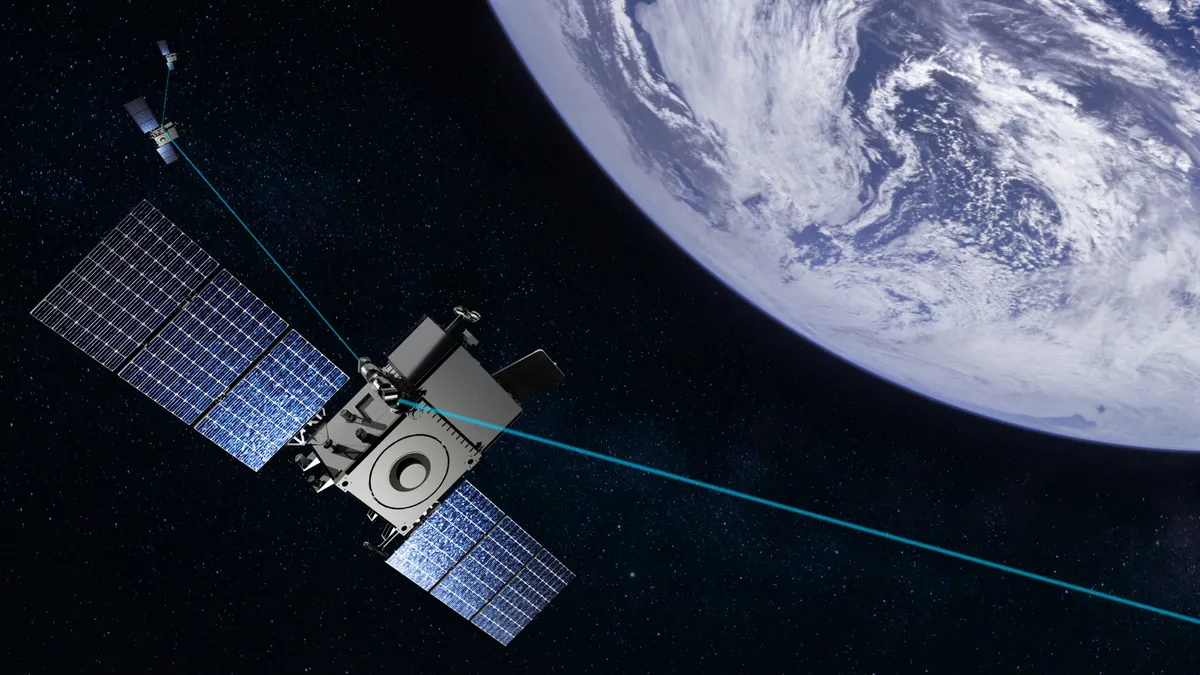
SDN acceleration directly supports the shift from static air defense (fixed radar, pre-positioned interceptors) to mobile, real-time threat response across a contested theater. As Iran's blockade of Hormuz and strikes on Saudi facilities demonstrate, adversaries are targeting fixed infrastructure — forcing US Central Command to rely on space-based sensors and distributed ground/air/naval shooters.
Faster SDN deployment reduces latency in the sensor-to-shooter chain, which is the operational bottleneck when Iranian ballistic missiles compress decision timelines.
The timing and focus of these increases directly reflect operational strain from the Iran conflict now underway.
Missile warning systems are under acute demand: Iran has conducted ballistic strikes on Saudi energy facilities (April 9), and the ceasefire fractured within 36 hours (April 10 signal).
SDN acceleration matters because it closes the sensor-to-shooter loop for distributed air defense and strike operations — critical for coordinating responses across the Middle East theater without relying on fixed infrastructure vulnerable to Iranian strikes.
However, the article provides no budget figures, program timelines, or procurement schedules, making it impossible to assess whether these increases match the operational tempo or represent incremental adjustments.
Lockheed Martin's concurrent $4.7B PAC-3 production tripling (April 10 signal) suggests the Pentagon is hedging across multiple air defense layers, but the relationship between SDN investment and PAC-3 acceleration is not explained.
The article does not disclose the size of the budget increases, specific program names beyond 'Golden Dome,' current vs. proposed funding levels, or whether these increases reflect new money or reprogramming from other Space Force priorities.
Fault Lines
Strategic intelligence, synthesized daily — with a public track record. Every call graded against what actually happened.