Belgium, France Seize Russian Shadow Fleet Tanker in North Sea Operation
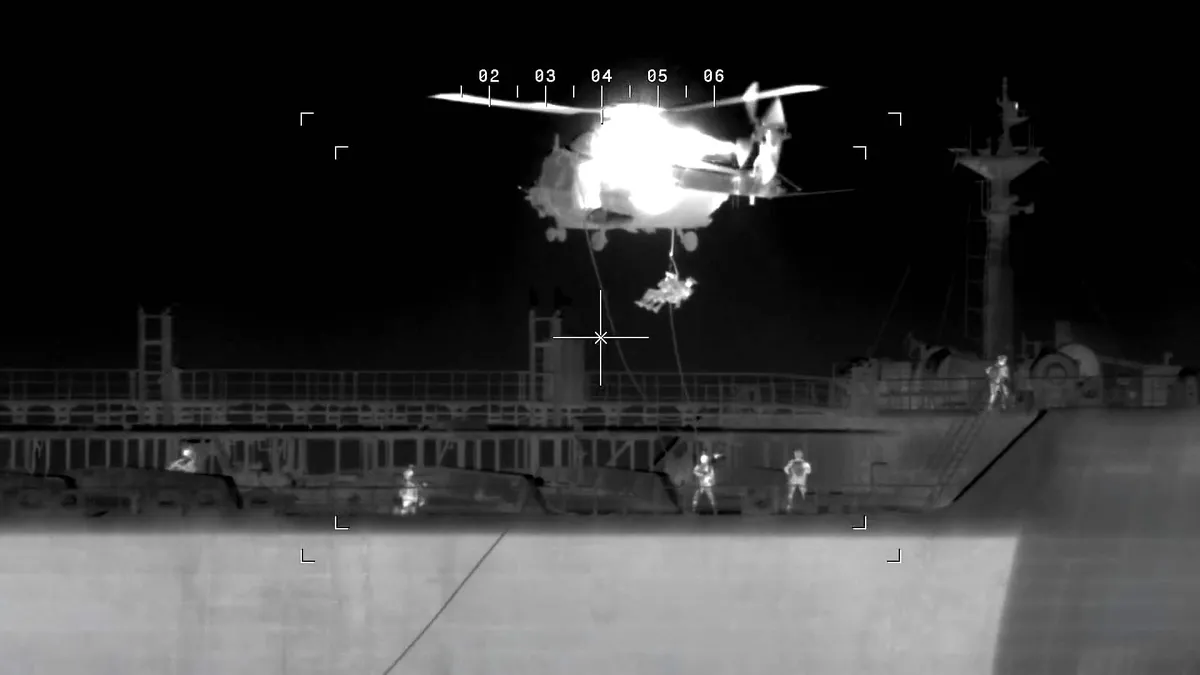
If Belgium and France sustain this enforcement posture, allied naval asset allocation shifts from peer-state deterrence (NATO-Russia) toward maritime constabulary operations in the North Sea, extending patrol rotations and reducing availability for Indo-Pacific or Mediterranean contingencies.
Conversely, if this remains a one-off action, it signals symbolic enforcement without operational commitment—Russian shadow fleet operations continue unimpeded, and sanctions effectiveness remains dependent on third-country compliance rather than Western interdiction.
This marks an escalation in Western enforcement against Russia's circumvention of oil sanctions through shadow fleet tankers.
The operation demonstrates coordinated EU-NATO naval capability to interdict vessels in territorial waters, but the singular seizure does not yet indicate systematic disruption of shadow fleet operations—Russia operates hundreds of vessels.
The strategic relevance depends on whether this signals a sustained enforcement campaign (requiring additional allied naval assets and intelligence fusion) or remains an isolated interdiction. Defense and maritime security budgets may shift if EU members commit to persistent North Sea patrols, but one seizure alone does not confirm that commitment.
The article does not specify the Ethera's cargo volume, estimated sanctions evasion value, or the legal basis for seizure (EU sanctions designation, flag-state violations, or other).
Fault Lines
Strategic intelligence, synthesized daily — with a public track record. Every call graded against what actually happened.