Senate SBIR Reauthorization Ends Gridlock, Unlocks Pentagon's Small-Firm R&D Pipeline
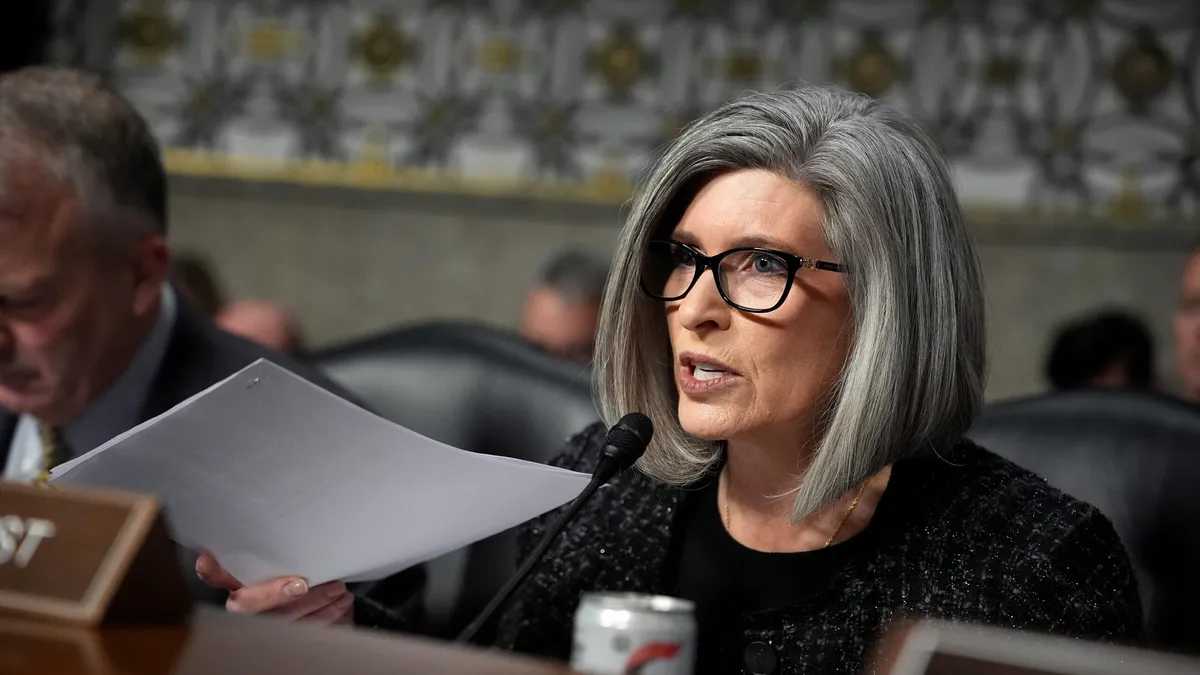
SBIR Phase II awards fund early-stage prototypes for defense applications (hypersonics, autonomous systems, advanced materials). Months of gridlock delays prototype maturation timelines for small firms, pushing some projects past the window where they can feed into larger platform development cycles.
If the reauthorization restores predictable Phase transitions and maintains current funding velocity, small contractors can resume R&D schedules aligned with prime contractor integration windows; if it adds compliance friction or caps funding, it extends the innovation lag and increases the likelihood that primes backfill SBIR work with captive internal labs.
The SBIR program distributes roughly 3.2% of federal R&D budgets to small firms, with DoD as a major participant.
Gridlock had frozen new Phase II awards and created uncertainty for small defense contractors dependent on predictable funding cycles. Resolution removes a procurement bottleneck but only if the compromise preserves funding levels and Phase transition timelines — neither of which the article specifies.
The real decision point is whether the reform includes new compliance burdens or funding caps that would hollow out the program's utility to defense innovators.
What were the specific points of contention between committee leadership, and what did each side concede? What are the funding levels, Phase award timelines, and any new eligibility or reporting requirements in the reauthorization bill?
Fault Lines
Strategic intelligence, synthesized daily — with a public track record. Every call graded against what actually happened.