Sweden locks in Rheinmetall 30mm RWS for new fast-attack boats
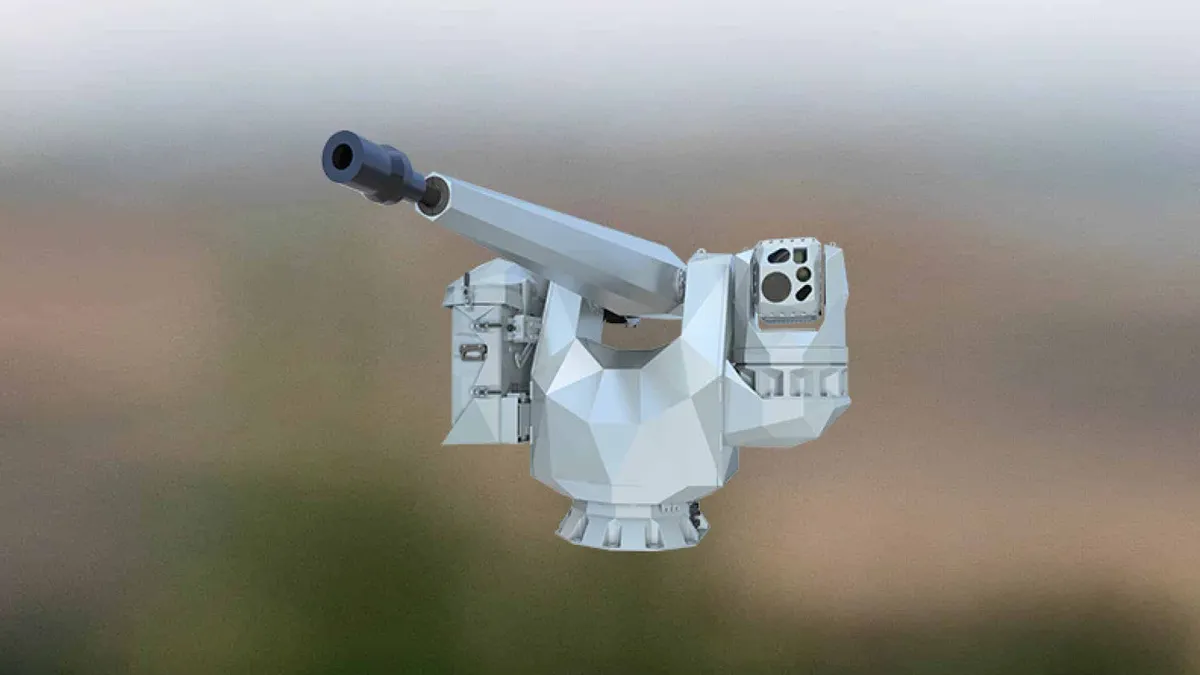
Sweden's selection of a German system over Nordic or U.S. alternatives reflects post-accession NATO alignment with continental European defense suppliers—a market signal, not a geopolitical statement.
Rheinmetall's success here depends on the Seasnake's technical fit for the CB90 platform and cost competitiveness; it does not indicate broader Swedish industrial policy or NATO-wide procurement consolidation without evidence of adoption by other allies.
This is a straightforward NATO interoperability play with modest market implications.
Rheinmetall secures a foothold in Swedish naval procurement and establishes a reference customer for the Seasnake system in the alliance. The €63M figure is the immediate contract value; framework agreements typically unlock follow-on orders if performance meets requirements, but the article provides no detail on total framework size or schedule.
For Rheinmetall, this validates the Seasnake for fast-attack craft and positions the system against competitors (e.g., Kongsberg Naval Strike Missile-class integrators) in future Nordic naval upgrades. For Swedish defense planners, this addresses a capability gap in the CB90 class but doesn't signal broader force structure shifts—the eight systems equip a single boat class.
Watch whether other NATO members (Norway, Denmark, Poland) adopt the same system, which would indicate standardization momentum; single-nation procurement does not.
The article does not disclose the total framework agreement value, delivery timeline, or whether this procurement was driven by capability gaps, NATO interoperability directives, or industrial competition with other vendors.
Fault Lines
Strategic intelligence, synthesized daily — with a public track record. Every call graded against what actually happened.