Vandenberg Launch Capacity Surges to 66/yr; Space Force Targets 150 by 2031
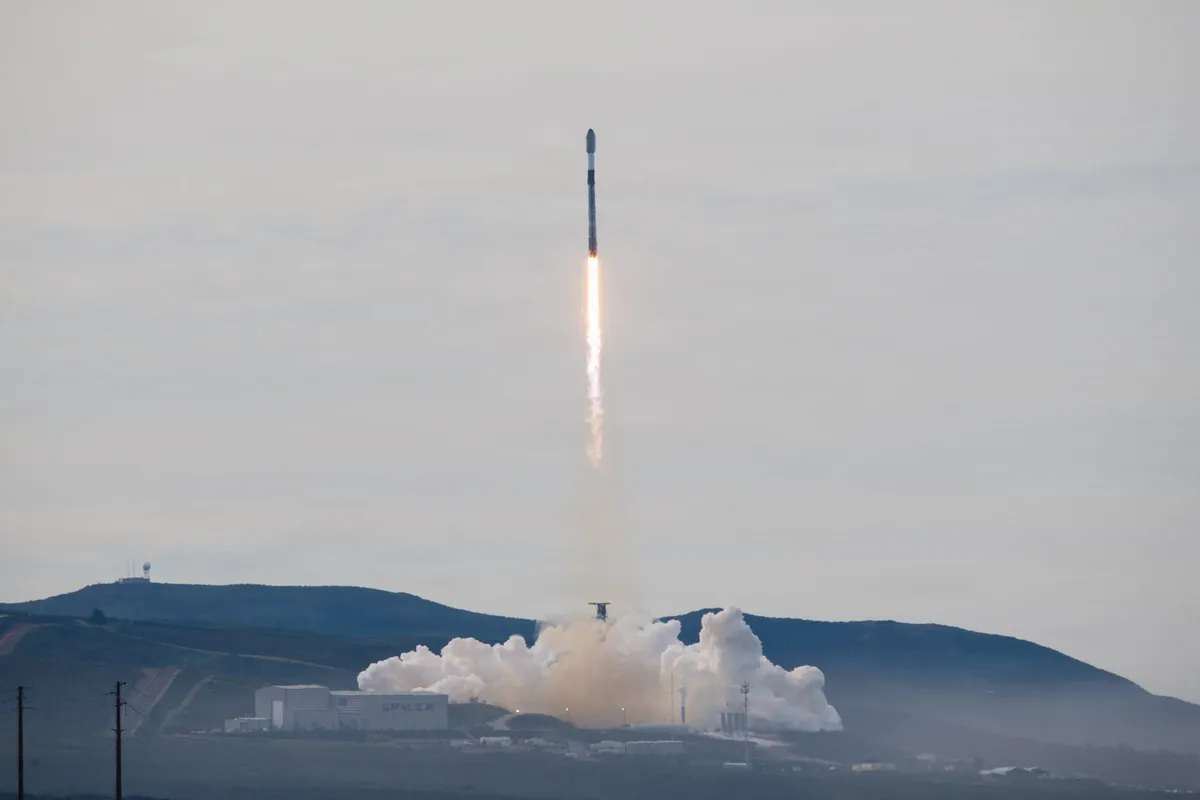
Sustained satellite launch tempo from Vandenberg directly supplies the ISR and communications constellation redundancy required to maintain blockade enforcement and mine clearance operations in the Strait of Hormuz without tactical gaps.
A 150-launch cadence by 2031 means the Space Force can replace combat-attrited or degraded satellites within weeks rather than months, reducing Iran's ability to exploit surveillance blind spots. This couples space procurement timelines to active military operations — delays in Vandenberg integration now translate into reduced dwell time over critical choke points.
This scaling directly enables sustained satellite constellation replenishment and resilience operations that underpin the Hormuz blockade surveillance architecture already underway.
With multiple Navy destroyers conducting mine clearance and a full Iranian port blockade now active (as of April 13), persistent overhead ISR from replenishable LEO constellations—particularly those launched on West Coast boosters—is operationally critical.
If Vandenberg reaches 150 launches in the 2026-2031 window, it will support deployment cycles for reconnaissance, communications, and damage assessment satellites faster than adversary degradation rates. The constraint is not launch capacity but whether Space Force logistics and integration timelines can absorb the throughput without bottlenecks in payload processing or range scheduling.
The article does not specify which payload types (reconnaissance, communications, early warning) are driving the demand surge, nor does it detail whether the 150-launch target assumes commercial rideshare or is dedicated government missions only.
Fault Lines
Strategic intelligence, synthesized daily — with a public track record. Every call graded against what actually happened.