Australia Orders 40 Bluebottle USVs; Indo-Pacific ASW Capacity Expands Amid Hormuz Disruption
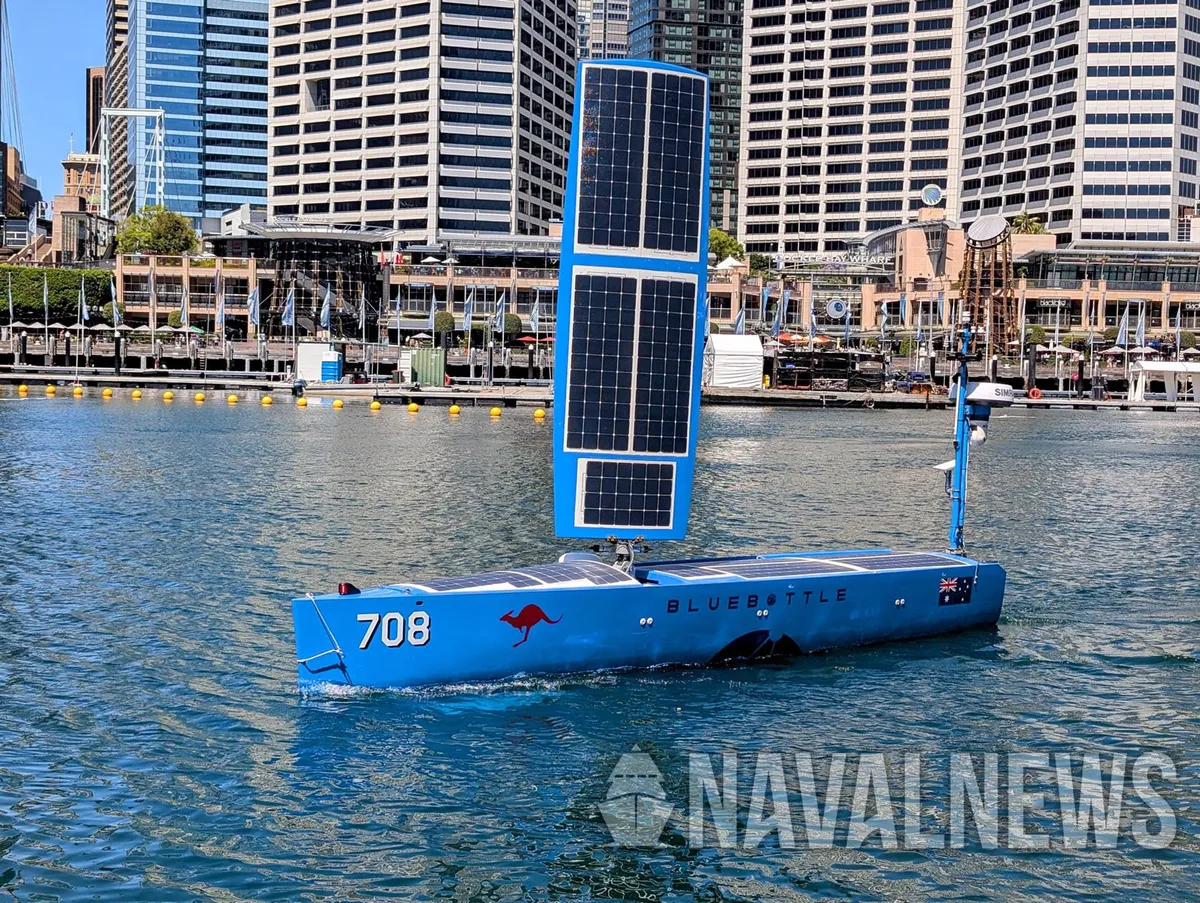
Australia's shift to autonomous, distributed ASW platforms reduces single-platform vulnerability in contested waters — a direct response to demonstrated Iranian willingness to conduct anti-ship strikes (frigate Dena sinking, Hormuz vessel attacks).
This procurement accelerates allied adoption of attrition-resilient force structures, which will drive similar USV orders from Japan, South Korea, and potentially NATO navies, concentrating demand on autonomous naval platforms and forcing US/allied prime contractors (Lockheed, Raytheon, General Dynamics) to accelerate production of fire-control systems and sonobuoy networks for unmanned platforms rather than manned frigates.
This procurement signals Australia is hardening maritime ASW posture independent of direct US involvement, likely in response to demonstrated Iranian naval aggression (sinking of frigate Dena on March 8, Iranian Hormuz chokepoint attacks since March 1) and the operational disruption of manned surface combatants in high-threat environments.
The 40-unit fleet size and focus on autonomous undersea warfare suggests Australia is shifting from crewed destroyer-based ASW toward distributed, attrition-tolerant networks — a hedge against the loss-exchange calculus now visible in the Middle East. Timing during active US-Iranian escalation and Hormuz transit disruptions indicates allied navies are operationalizing lessons from ongoing conflict.
Domestically built status protects supply chain from US export control disruption if US-China tensions escalate.
The article does not specify: (1) deployment timeline or production rate (critical for determining whether these enter service before Taiwan contingency window); (2) sensor/weapon payload (determines actual anti-submarine effectiveness vs. surveillance capability); (3) whether integration with US/al...
Fault Lines
Strategic intelligence, synthesized daily — with a public track record. Every call graded against what actually happened.