USAF Wargame Finds Taiwan 2035 Defense Gap; Force Mix Modernization Insufficient
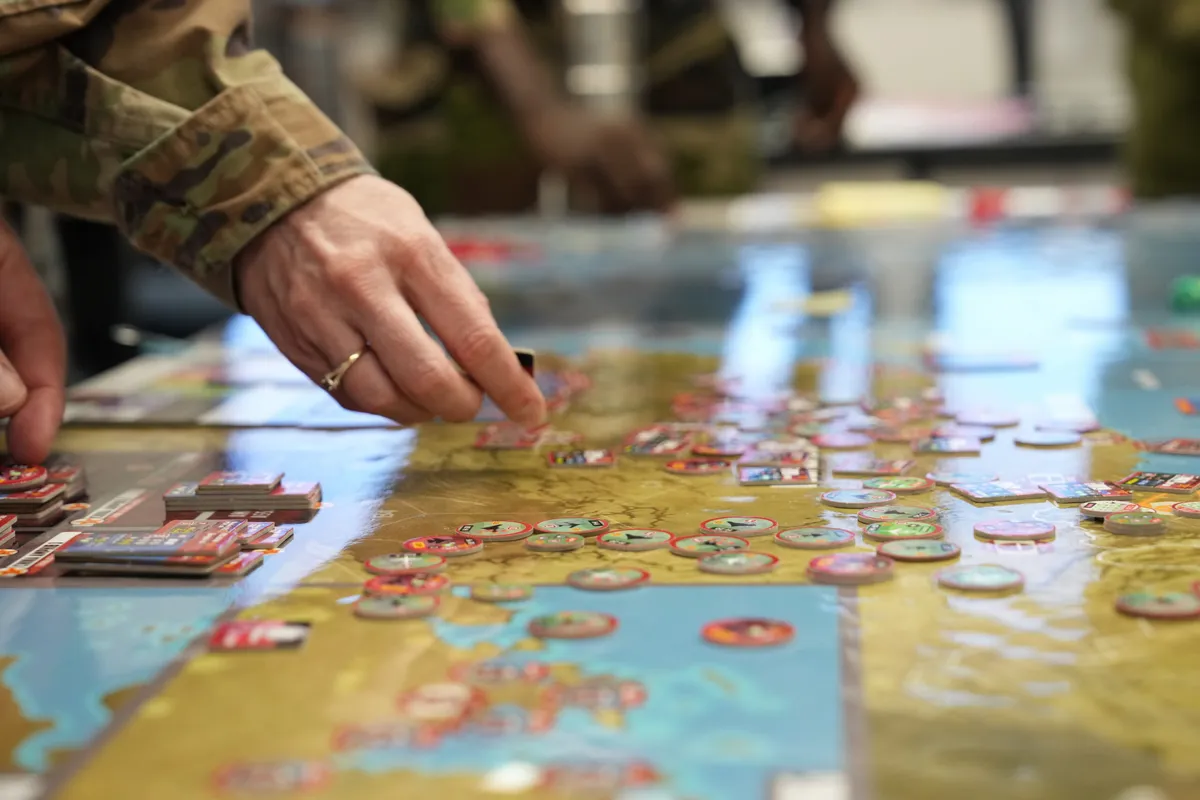
If USAF leadership acts on this wargame's conclusions, it will force a reallocation from lower-priority theaters (Middle East, Europe) into Indo-Pacific procurement and basing — directly competing with current commitments to Ukraine sustainment and NATO deterrence.
A formal acknowledgment of the Taiwan 2035 gap also signals to Congress that the current FYDP is insufficient, likely triggering supplemental budget requests or multi-year procurement authority for fighters and strategic platforms, which will accelerate capital deployment into Lockheed, Boeing, and Northrop's Pacific-focused programs.
This wargame output directly informs FY27-FY28 force structure and procurement decisions.
If the USAF leadership accepts these findings, expect acceleration in fighter procurement (F-35, F-15EX, NGAD timeline), long-range strike platforms (B-21 production rate), and ISR/tanker capacity. The gap also exposes a window where China's relative advantage grows — the next 8-9 years determine whether Taiwan contingency planning is viable or requires allied burden-shift (Japan, South Korea, Australia).
Contractors building to current FYDP timelines may face mid-program repriorization if this analysis drives supplemental budget requests or reprogramming.
The article does not specify which force mix elements scored as insufficient (fighter numbers, range, sustainment, basing capacity, air defense, logistics), nor does it quantify the assessed shortfall or identify the wargame's assumptions about Chinese capabilities, allied support, or rules of engag...
Fault Lines
Strategic intelligence, synthesized daily — with a public track record. Every call graded against what actually happened.