JS Izumo Completes F-35B Flight Deck Conversion; Japan's First STOVL Carrier Enters Trials
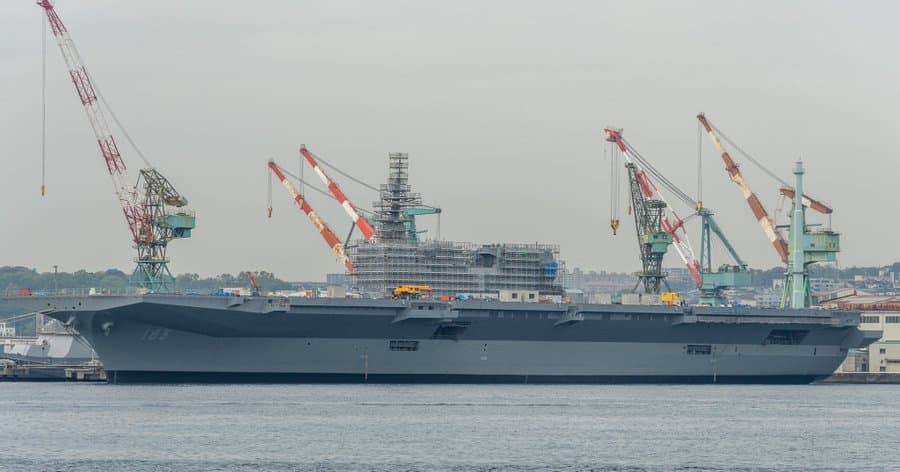
The Izumo's carrier conversion directly enables Japan's new arms export policy by creating a platform to operate with allied navies in joint operations — the Kaga can now participate in multinational task groups with South Korea, Australia, and the US in ways the previous helicopter-only configuration could not.
This converts Japan's defense posture from peninsula-focused (supporting Korea contingencies) into Indo-Pacific-focused (power projection against Chinese naval dominance). The timing matters: Japan is making this move while Hormuz remains closed, forcing Tokyo to secure alternative energy supply routes and naval chokepoints — the Izumo becomes part of that hedging strategy.
Japan has crossed from planning into operational carrier aviation.
The Izumo conversion removes the last technical barrier to Japan deploying organic air combat power beyond its islands — a capability it has avoided since 1945. This accelerates the timeline for the second ship, JS Kaga, and signals that Tokyo is moving to a forward-deployed strike posture in the Indo-Pacific.
Paired with Japan's April 21 decision to expand arms exports to 15+ nations, the Izumo signals a deliberate shift from constrained military exports to active power projection. For regional competitors — China especially — this is a capability statement, not a defensive one.
What is the operational timeline for F-35B integration and the first carrier-qualified squadron? The bow redesign is hardware; the real constraint is pilot certification and deck procedures. Does Japan plan to operate both ships simultaneously, and at what surge rate?
Fault Lines
Strategic intelligence, synthesized daily — with a public track record. Every call graded against what actually happened.