RAF Fairford Terror Plot Managed From NYC Jail Cell, DOJ Superseding Indictment Shows
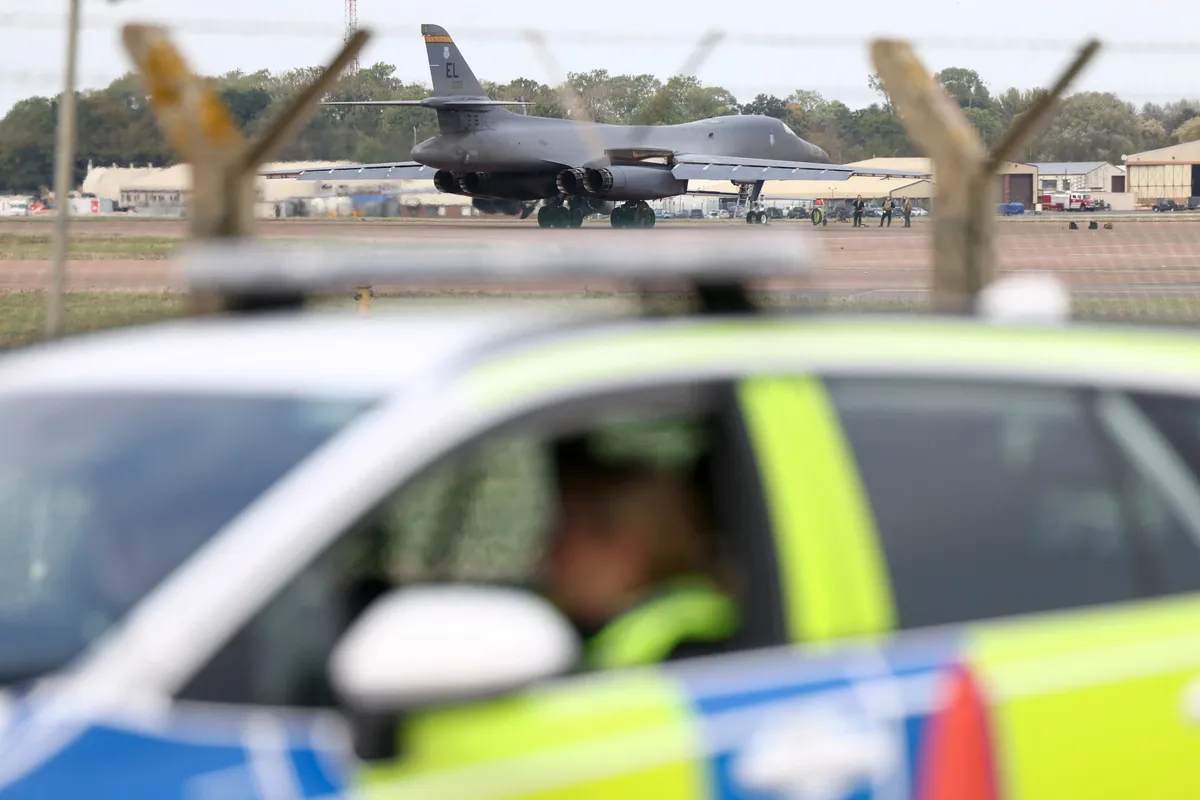
The indictment's operational detail — coded messages through third parties, compartmented UK contact networks, procurement of specific materials — describes a cell structure designed to survive the arrest of its command node. If al-Hassani directed a full preparatory cycle from Iran while al-Saadi sat in federal custody, the same architecture could reconstitute around a different target.
MI5 and the Metropolitan Police Counter Terrorism Command now carry the enforcement burden for the UK-based associates the indictment names only as a 'network of contacts,' and those individuals' status is not addressed in the DOJ release.
Al-Saadi's arrest in May produced four months of quiet, then al-Hassani resumed operations in August — directing surveillance of RAF Fairford's perimeter and procuring vans, fuel barrels, chemical accelerants, and shrapnel materials in September — which means the network reconstituted faster than DOJ's initial prosecution timeline assumed.
RAF Fairford was housing US military aircraft and personnel supporting the Iran war at the time, making it a direct counter-strike target rather than a symbolic one. The Southern District of New York now holds al-Saadi but al-Hassani and Mohajeri remain at large in Iran, beyond US extradition reach.
Did UK counter-terrorism services identify and neutralize the UK-based associates who conducted perimeter surveillance and procured the vans and fuel barrels, or are those individuals still unaccounted for?
Fault Lines
Strategic intelligence, synthesized daily — with a public track record. Every call graded against what actually happened.