SATIM Wins Polish MoD SAR Analysis Contract, Extends Rheinmetall SPOCK-1 Work
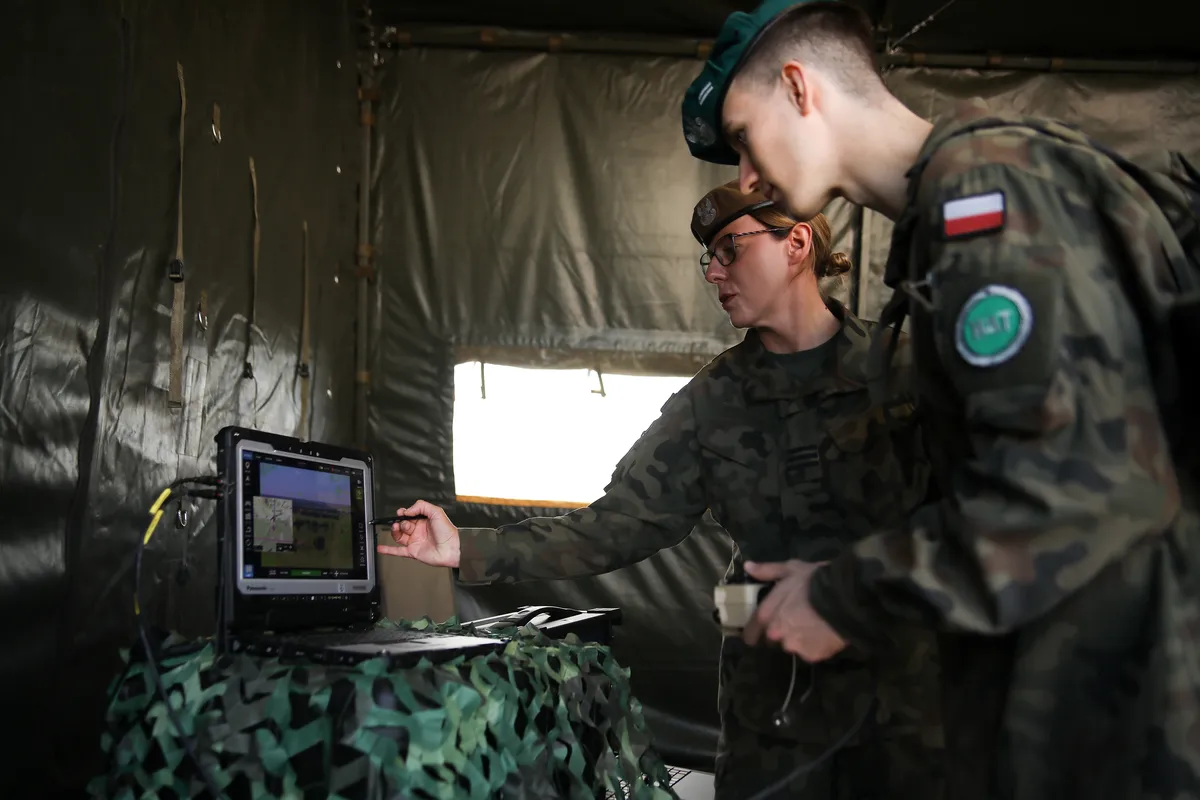
SATIM's simultaneous presence in the German SPOCK-1 pipeline and Poland's MikroSAR program creates a de facto common analysis layer across two NATO allies' SAR programs before any formal interoperability standard exists.
If SATIM scales its customer base to Vietnam, Qatar, and the UAE as the article describes, allied intelligence communities will need to assess whether shared software architecture creates a cross-customer data-exposure risk — a question the Five Eyes have already raised about commercial imagery analytics vendors operating across adversary-adjacent markets.
Poland is building its first military space capability through MikroSAR, and this contract places a single Polish SME at the intelligence-extraction layer of both the Polish and German programs simultaneously.
SATIM's claimed 90–95% object-classification accuracy across roughly 300 classes — vessels, aircraft, vehicles — means the value of the underlying SAR constellation depends heavily on one supplier's software remaining available and trustworthy.
If SATIM's pipeline also enters operational use on SPOCK-1 before year-end, Rheinmetall's ISR program will share a common analysis stack with a NATO ally's sovereign reconnaissance system, raising interoperability questions that neither Warsaw nor Berlin has publicly addressed.
What are the contract terms — specifically, does Poland's MoD hold source-code escrow rights or is this a SaaS arrangement that leaves the sovereign reconnaissance program dependent on a single commercial vendor?
Fault Lines
Strategic intelligence, synthesized daily — with a public track record. Every call graded against what actually happened.