Trump Rules Out Ceasefire, Commits to Sustained Military Pressure on Iran
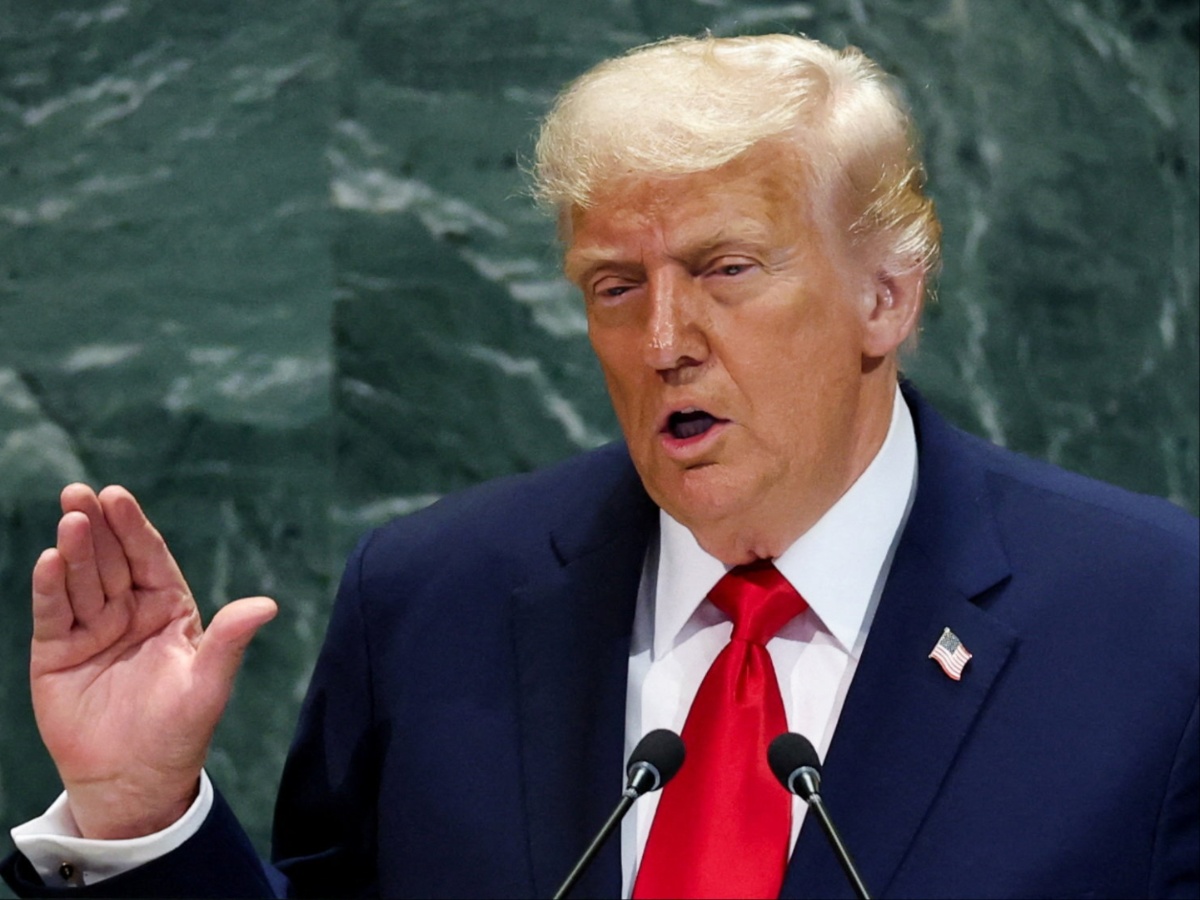
Trump's ceasefire rejection hardens the conflict into a sustained attrition campaign, which forces allied defense procurement decisions into a longer planning horizon.
NATO members and Japan must now budget for extended Middle East operations support (tanker refueling, air defense rotations, logistics) rather than a 30-90 day contingency, shifting FY2026-27 procurement toward sustainment and away from new-build programs.
Simultaneously, the indefinite campaign removes the negotiation discount from energy futures — Hormuz blockade pricing now assumes months, not weeks, of disrupted flow, which cascades into allied industrial base cost escalation for fuel-intensive platforms (shipbuilding, large transport aircraft).
Trump's explicit rejection of ceasefire negotiations closes off a potential off-ramp from the five-day conflict and signals to allies, adversaries, and markets that the US intends to sustain combat operations indefinitely.
This eliminates uncertainty about whether diplomatic pressure could force a near-term pause, which affects energy market pricing (Hormuz remains blockaded), allied force posture decisions (European NATO members deciding whether to contribute air defense or logistics), and Iranian strategic calculus on whether further escalation serves deterrence or merely accelerates attrition.
The statement also clarifies to Israel that US support is unconditional and open-ended, removing any pressure for Israel to negotiate unilaterally.
The article does not specify what Trump defines as 'dialogue' (backchannel talks, formal negotiations, third-party mediation) or whether any Iranian action could trigger a shift toward negotiation, leaving ambiguity about whether this is a permanent posture or a conditional one.
Fault Lines
Strategic intelligence, synthesized daily — with a public track record. Every call graded against what actually happened.