US Halts Lithuania Troop Rotation; NATO Forward Presence Under Review
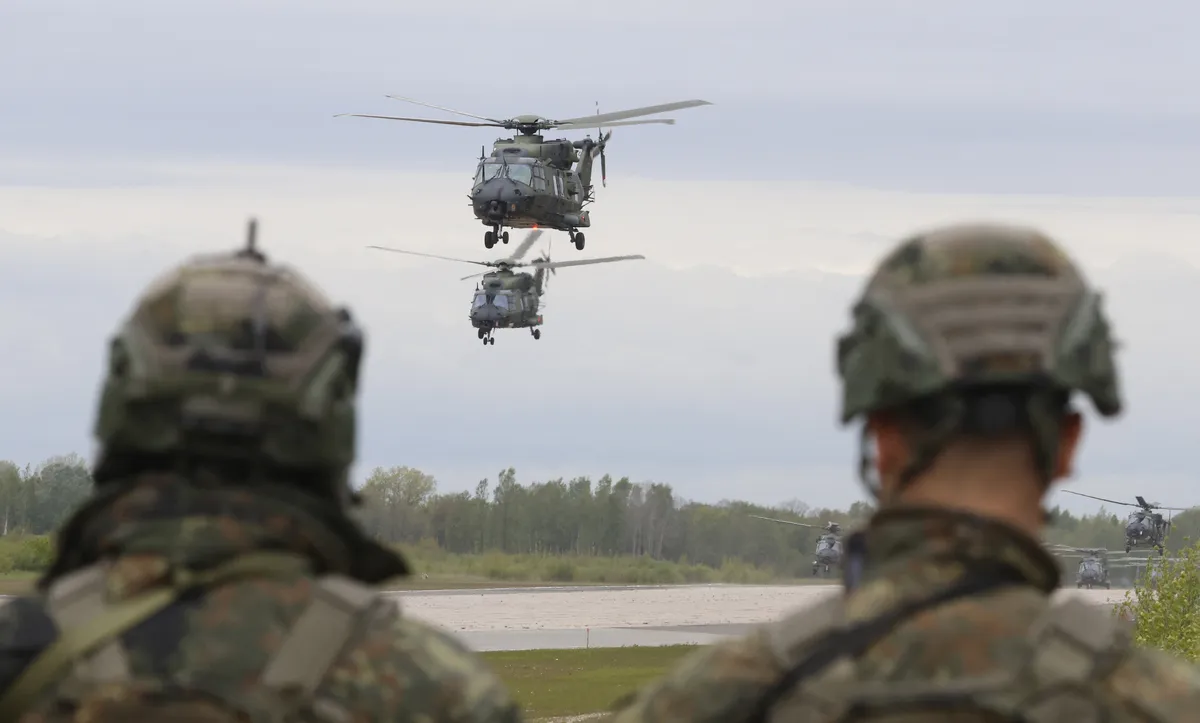
The timing is not accidental. Rubio blocked sanctions-for-Strait negotiations with Iran on June 2 — the same day Lithuania's statement surfaced. The pattern suggests the administration is using force-posture leverage to extract concessions elsewhere: either higher European NATO spending commitments, or geopolitical alignment on Iran policy.
If other Baltic states report similar notifications in the next 72 hours, this becomes a coordinated pressure campaign, not a budget decision. Watch the Senate Armed Services markup for FY27 — if the Hill forces the deployments to stay, we'll know Congress is willing to override State on forward presence.
If the U.S. halts rotational deployments to Lithuania, NATO's tripwire deterrent in the Baltic collapses — and Moscow gets a three-month window (until the next rotation cycle) to test whether Article 5 still holds.
Lithuania's defense minister wouldn't make this statement without explicit U.S. signaling; the review suggests Rubio's State Department is negotiating leverage over European defense spending in exchange for forward presence. Watch whether Poland and Estonia receive similar notifications, and whether Vilnius accelerates its own air defense procurement (currently contingent on U.S. co-location for targeting data).
Has the Pentagon formally notified EUCOM to pause rotations, or is this a State Department policy signal that hasn't yet reached the military chain? The distinction determines whether this is a near-term pause or a structural repositioning.
Fault Lines
Strategic intelligence, synthesized daily — with a public track record. Every call graded against what actually happened.