Grandstream VoIP Flaw Exposes Classified Comms to Unauthenticated Remote Access
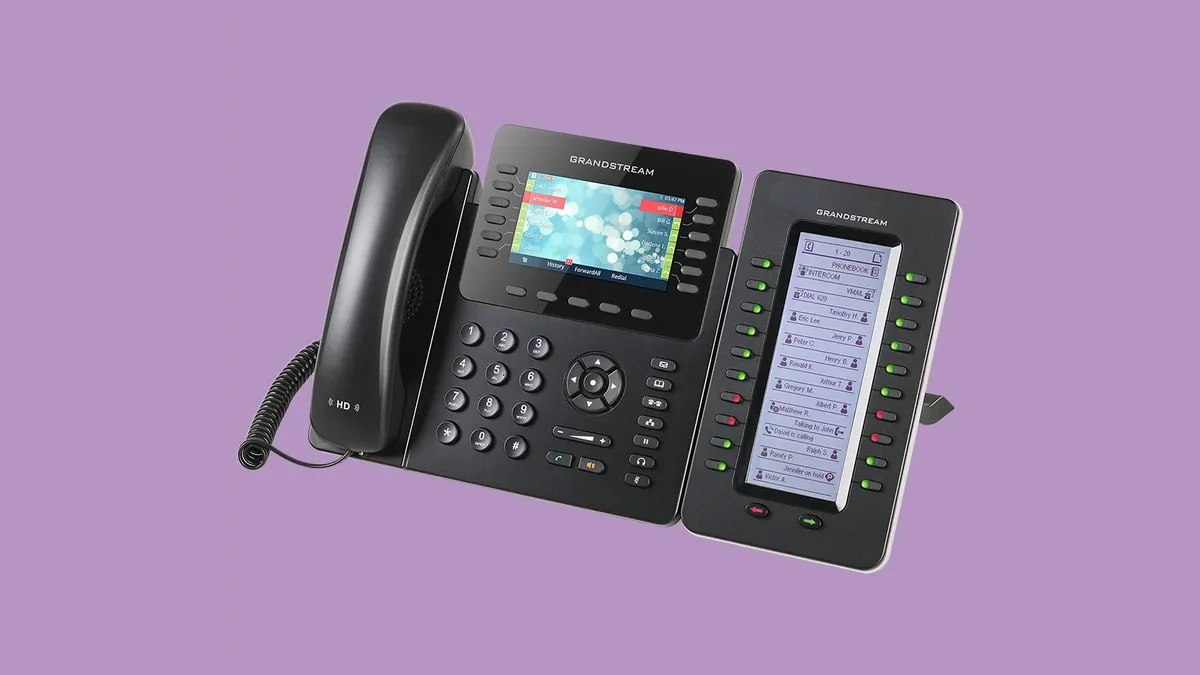
This vulnerability forces a binary procurement decision: if GXP1600 phones are in classified or sensitive networks, the cost of remediation (replacement or isolation) now appears on next quarter's IT budget and delays other telecom upgrades.
If they are not currently deployed in sensitive networks, it becomes a vendor-vetting filter for future RFPs — procurement teams must now verify Grandstream's security posture before including them in sensitive-network specifications. Either path tightens the vendor pool and raises baseline security requirements for commodity telecom equipment.
If Grandstream GXP1600 phones are deployed in classified or sensitive defense networks, this vulnerability creates a direct eavesdropping vector that bypasses authentication.
The 'silent' nature of the exploit (no user-visible indication) means compromise could persist undetected. The immediate decision point is whether affected phones are in active use in DoD, intelligence, or contractor facilities — if yes, this forces immediate isolation or replacement; if no, it's a vendor-vetting signal for future procurement.
Grandstream is a low-cost commodity VoIP provider; the risk scales with deployment breadth, not with a single high-value target.
The article does not state: (1) whether this vulnerability affects phones already deployed in U.S. government or defense networks; (2) the patch status or timeline; (3) how many GXP1600 units are in active use; (4) whether the vulnerability has been exploited in the wild; (5) Grandstream's response...
Fault Lines
Strategic intelligence, synthesized daily — with a public track record. Every call graded against what actually happened.