MBDA Hydis Hypersonic Interceptor Eyes €100M EU Funding; Full Demonstrator Flight Set for End-2029
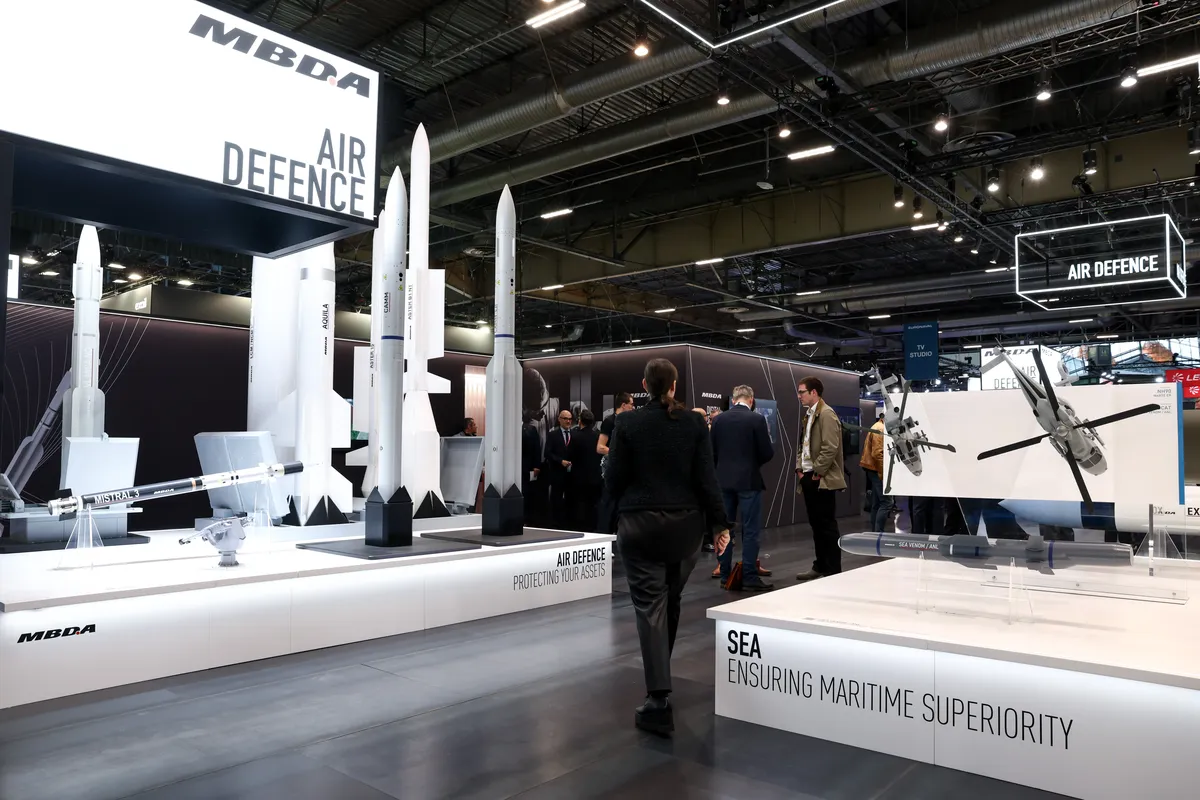
The demonstrator timeline (end-2029) puts production entry into the 2030-2032 window, which overlaps with NATO's current air-defense modernization cycle but lags the operational urgency created by recent Iranian and Russian hypersonic activity in the Middle East and Ukraine.
Hydis' expansion from 19 to 36 partners signals a political consolidation play—the program is bundling French, Italian, Dutch, Swedish, and Polish industrial capacity into a single procurement pathway, which reduces competition but increases integration risk.
Germany's exit as a contributing country for phase two is notable: Berlin may be redirecting hypersonic intercept investment toward its own programs or signaling budget constraints ahead of the 2027 defense spending ramp.
Europe is moving to close a capability gap that Russia and China have already exploited—hypersonic intercept—and the funding decision at month's end will determine whether the continent pursues a single consolidated program or splits investment.
Hydis involves 36 industrial and research partners across 17 countries (France, Italy, Belgium, Netherlands, Sweden, Poland leading funding) with €133 million in additional member-state contributions beyond the €100 million European Commission award, meaning the losing program absorbs sunk costs with no production pathway.
If Hydef wins, MBDA's €57 million in partner funding from France, Italy, Germany, and the Netherlands evaporates; if Hydis wins, Spain's consortium does. Watch the European Commission decision at month's end—it will signal whether Brussels prioritizes industrial consolidation or geographic equity in critical air-defense R&D.
What specific hypersonic threat profiles drove the €100M investment threshold—is this sized to counter PLA DF-ZF glide vehicles, Russian Kinzhal cruise missiles, or both?
Fault Lines
Strategic intelligence, synthesized daily — with a public track record. Every call graded against what actually happened.