Ukraine Strikes Votkinsk Missile Plant, Extending Deep-Strike Range Into Russian Defense Industrial Base
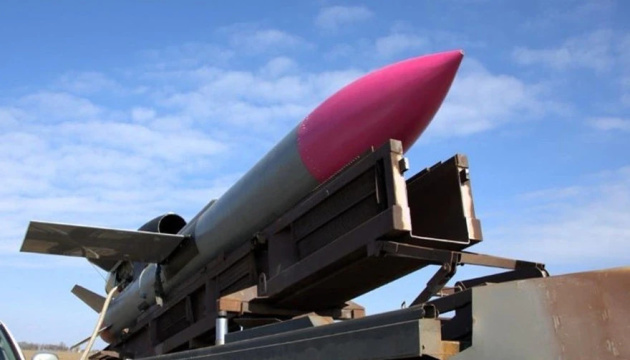
Validated deep-strike capability into Russian defense industrial facilities compresses NATO's air defense procurement window: if Ukrainian strikes can reduce Russian missile production, allied air defense demand may plateau sooner than force planners assumed, affecting Raytheon THAAD/Patriot sustainment contracts and European SHORAD production timelines.
Conversely, if Russian production proves resilient or quickly recovers, NATO extends air defense buys, shifting capital allocation toward Northrop, Lockheed, and European primes through 2027-2028.
If confirmed, this demonstrates Ukraine has extended precision strike capability into Russia's interior defense industrial base, targeting a facility that produces Iskander and other ballistic systems.
The strike's success or failure directly affects Russian missile production rates and sustainment timelines — critical variables for NATO force planning and air defense procurement urgency.
For U.S. and allied defense planners, this reveals a new operational constraint on Russian production capacity that wasn't available 12 months ago; for Ukrainian weapons suppliers (ATACMS, Storm Shadow, indigenous FP-5 production), it validates investment in extended-range platforms.
The key uncertainty is damage assessment: a successful strike that degrades output would force NATO to revise assumptions about Russian attrition rates and replenishment; a miss or minimal damage would suggest Ukrainian claims outpace capability.
The article does not report damage assessment, production impact estimates, or confirmation from independent sources (satellite imagery, Russian statements). We cannot determine whether this strike degraded output, destroyed specific production lines, or missed the target entirely.
Fault Lines
Strategic intelligence, synthesized daily — with a public track record. Every call graded against what actually happened.