Russia Grants Foreign Fighters Immunity From Home-Country Prosecution
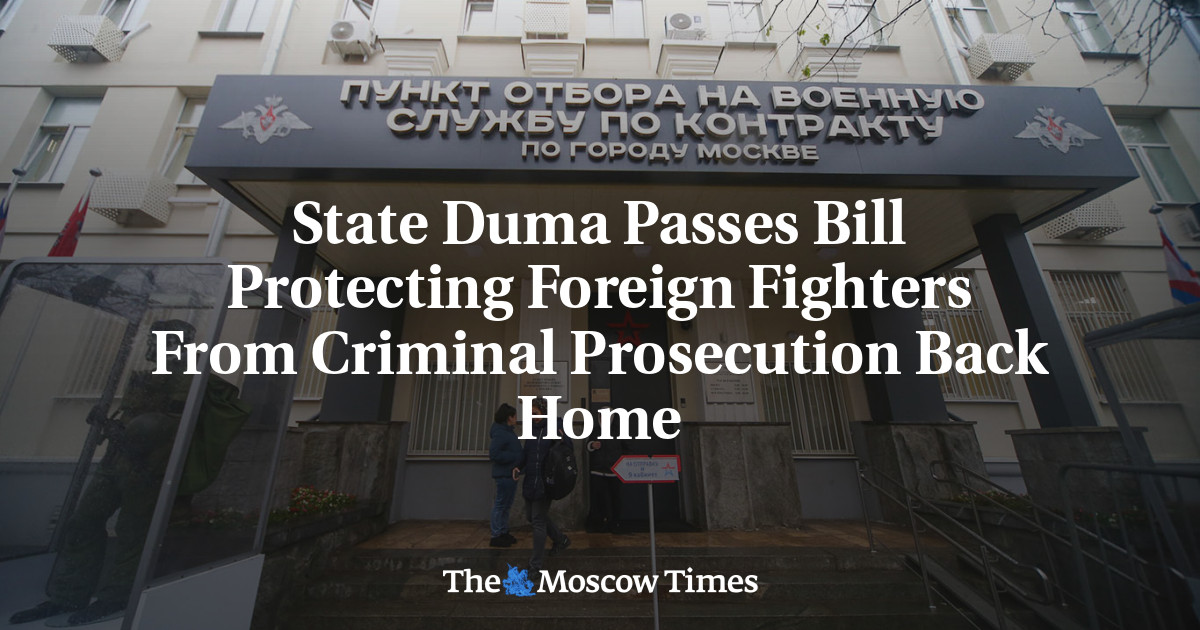
Russia's immunity statute removes a constraint on foreign fighter supply, which directly affects force composition and sustainment in ongoing operations (Ukraine).
If Western governments do not introduce counter-recruitment legislation, this creates an asymmetry in recruitment cost: Russian forces face no legal penalty for foreign service, while allied forces face criminal exposure for volunteering with designated foreign military organizations.
This shifts the relative attractiveness of service and may force NATO allies to either match the immunity offer (politically costly) or introduce explicit prohibitions on service with Russian forces (enforcement-intensive).
This removes a legal friction point that previously constrained recruitment of foreign fighters—Western citizens who volunteer for Russian forces can no longer face extradition risk upon return home.
The mechanism is straightforward: countries that previously used extradition treaties as a deterrent against their citizens joining Russian military operations now lose that leverage. This lowers the cost to individuals considering service with Russian forces, potentially increasing the pool of foreign recruits.
For allied defense planners, this signals Russia is institutionalizing foreign fighter integration rather than treating it as a temporary expedient. The policy's actual effect depends on whether Western governments respond with new counter-recruitment statutes (making service itself illegal, not just prosecution-avoidable) and whether they honor Russia's immunity claim or challenge it diplomatically.
The article does not specify: (1) the scope of 'military contracts' — does this cover mercenary organizations, state forces, or both?
Fault Lines
Strategic intelligence, synthesized daily — with a public track record. Every call graded against what actually happened.