China's Supreme Court Bans Infineon GaN Chips; Domestic Innoscience Secures Patent Victory
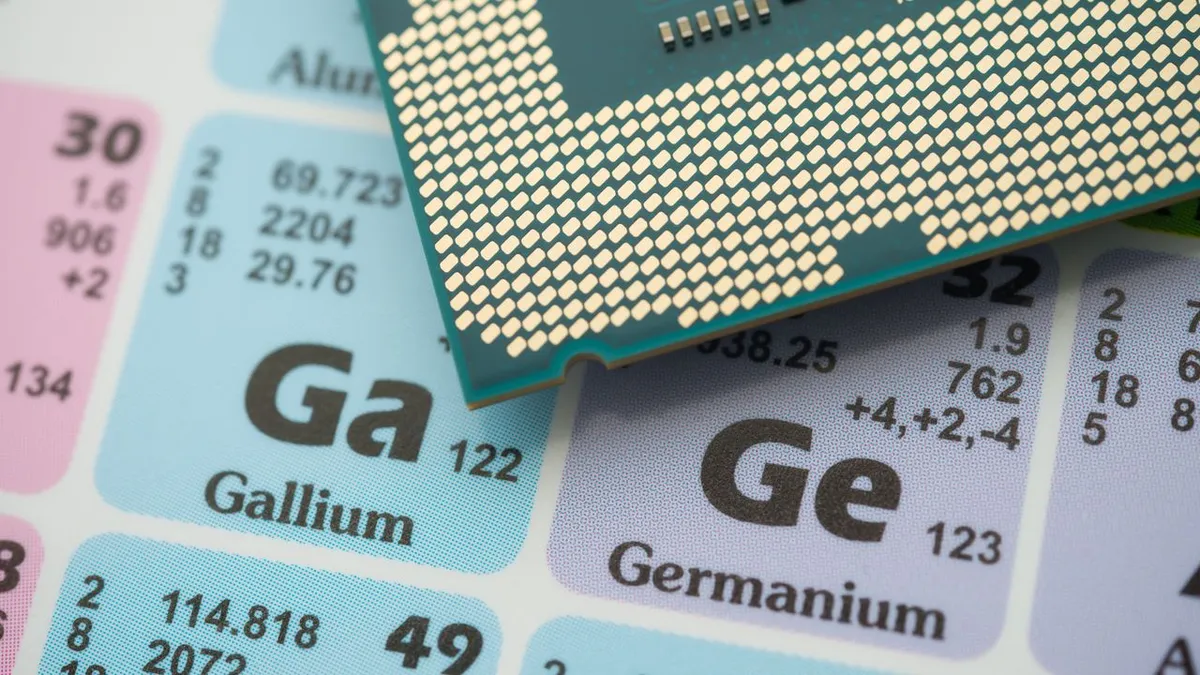
If Infineon concedes and licenses Innoscience's patents, it sets a precedent for Chinese courts weaponizing IP enforcement against foreign semiconductor leaders in high-margin segments. Innoscience's state backing means licensing revenue flows to a quasi-public entity, subsidizing Chinese GaN R&D and undercutting Infineon's pricing power globally.
If Infineon exits, Chinese EV and solar makers lose access to the most mature GaN designs on the market—forcing them toward Innoscience's less-proven alternatives or pushing them toward SiC (silicon carbide) substitutes, which delays vehicle electrification timelines by 12-18 months.
Infineon loses access to China's power chip market—a $8-12 billion TAM segment where GaN is the fastest-growing node—at the moment when Chinese EV, renewable, and industrial equipment makers are scaling production.
Innoscience, backed by state capital, now holds exclusive patent protection for GaN architecture in the world's largest semiconductor consumer market. This forces Infineon to choose between licensing Innoscience's IP (surrendering margin), designing around the patent (18-24 month delay), or exiting China entirely.
Watch the next 90 days for Infineon's official statement on licensing negotiations or design-around timelines—silence signals market exit.
Does the injunction apply to Infineon's existing inventory in China, or only prospective sales? Does it extend to Infineon's joint ventures or OEM partners using Infineon GaN IP?
Fault Lines
Strategic intelligence, synthesized daily — with a public track record. Every call graded against what actually happened.