Sri Lanka Assumes Custody of Iranian Auxiliary Vessel; Third-Party Detention Complicates Escalation
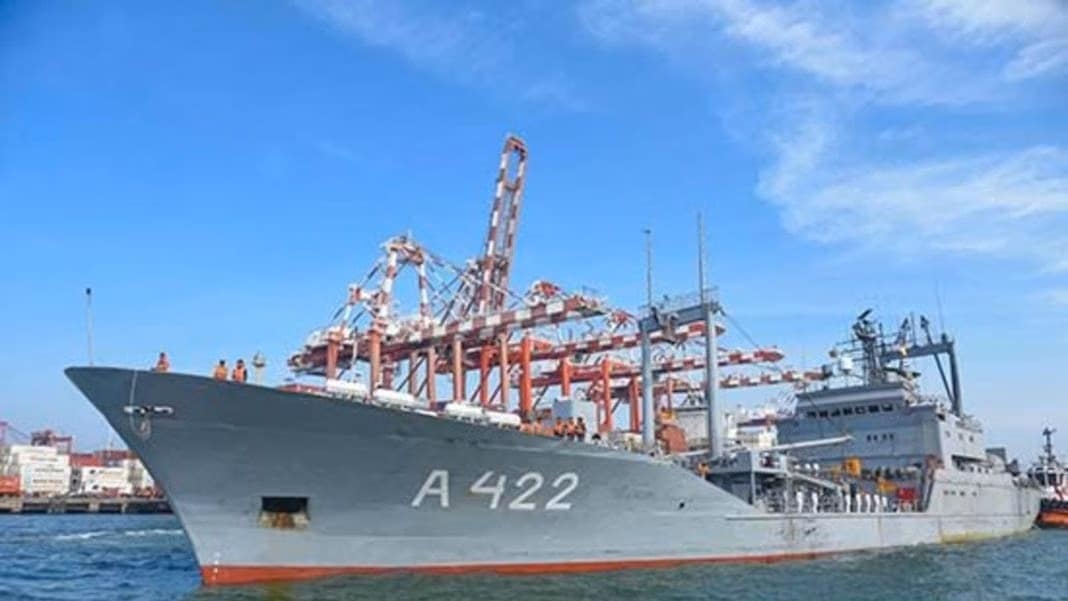
Sri Lanka's custody decision removes a potential flashpoint for US-Iran escalation in the Indian Ocean (where the US submarine already sank the IRIS Dena on March 4), but it also establishes a precedent for third-party asset detention that could extend to commercial shipping, fuel supplies, and logistics vessels.
If other regional states follow Sri Lanka's model, the conflict shifts from kinetic attrition to logistics denial — forcing both sides to operate through longer, slower supply routes and creating new leverage points for neutral states.
This is a containment move, not a military development.
Sri Lanka's assumption of custody prevents the US from seizing or destroying the vessel in international waters, which would have created a direct incident with Iran on Sri Lankan territory. However, the decision signals that third-party nations are beginning to manage the logistics of an expanding conflict — separating combatants' assets and establishing de facto neutral zones.
For program managers and investors: this suggests the conflict is entering a phase where logistics, port access, and third-country cooperation become as important as kinetic operations. Watch whether other Indian Ocean states (Maldives, Mauritius, Djibouti) adopt similar detention policies, which would fragment supply lines and force both US and Iranian logistics to reroute through fewer, more vulnerable chokepoints.
The article does not disclose whether the Bushehr was damaged, its operational status, the number of crew, or whether Sri Lanka coordinated this decision with the US or other parties beforehand. It's unclear whether this represents a unilateral Sri Lankan decision or a negotiated outcome.
Fault Lines
Strategic intelligence, synthesized daily — with a public track record. Every call graded against what actually happened.