C-5 Galaxy Fleet Hits 37% Mission Readiness; Parts Shortage Blocks Mobility Surge Amid Active Conflict
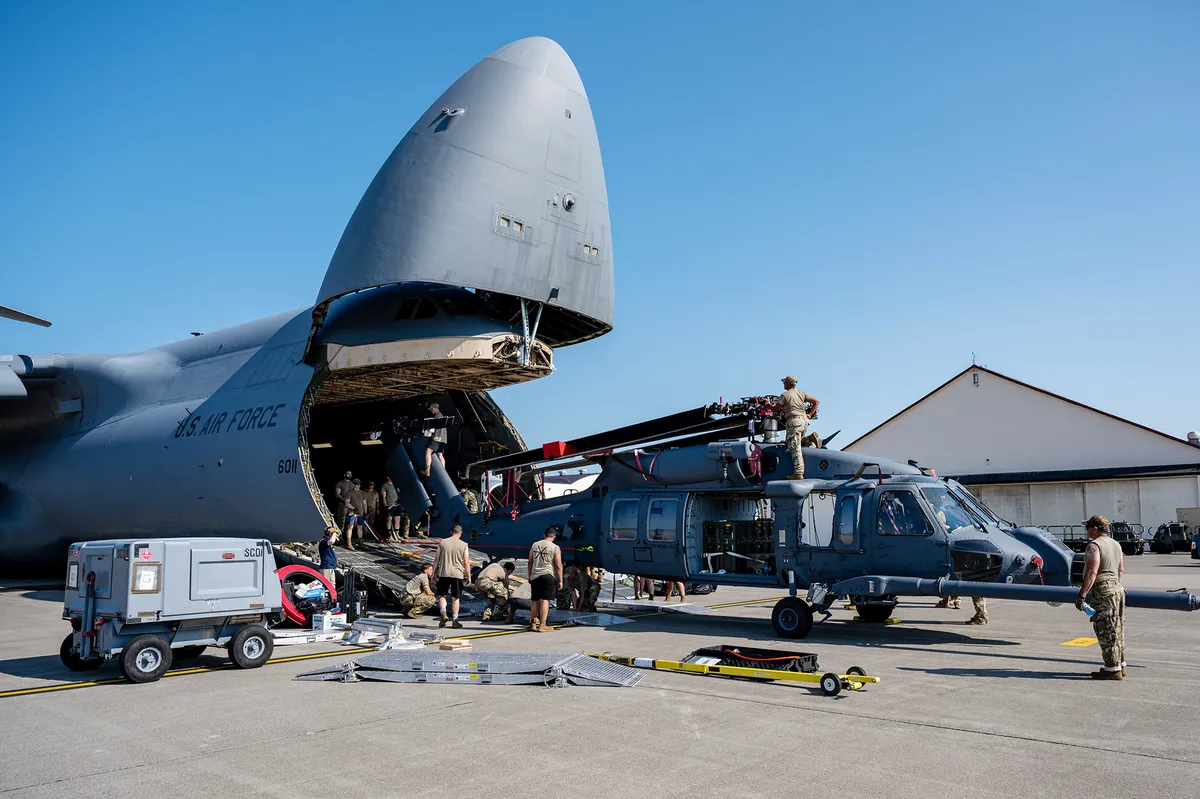
Hormuz closure forces all resupply of theater forces through airlift; a C-5 fleet at 37 percent capability means the Air Force cannot sustain extended operations in the Gulf or Middle East without drawing down inventory in Europe or Indo-Pacific.
This converts what is nominally a maintenance issue into a deterrence variable—if the Pentagon cannot regenerate logistics surge capacity, it cannot credibly sustain a multi-month blockade or extended conflict with Iran. Lockheed's parts supply chain is now a constraint on strategic options, not just a program health metric.
A 37 percent mission-capable rate on the strategic airlift backbone is a readiness crisis, not a maintenance problem.
With Hormuz shipping collapsed 90 percent, Iran blockaded, and 20,000 sailors stranded in the Gulf, the Air Force cannot surge cargo and personnel to theater via air when surface logistics are severed. The C-5 fleet is the only platform that can move outsized loads—engines, radar arrays, shelter systems—that no other transport can carry.
If parts scarcity is the binding constraint, then procurement is the problem, not maintenance. Lockheed Martin builds the C-5 and manages sustainment; if they cannot source parts fast enough to keep 63 percent of the fleet grounded, either the vendor base has collapsed or Lockheed is deprioritizing C-5 spares in favor of higher-margin programs.
Either way, the Air Force cannot regenerate airlift capacity without a parts surge contract—and Congress has not signaled one. This matters because every day the blockade holds, the Pentagon's logistics plan assumes airlift can backfill the Suez and Hormuz routes. If it cannot, theater commanders are operating on a degraded assumption.
Is the 37 percent rate driven by depot parts availability, vendor lead times, or Lockheed's allocation of production capacity between C-5 and other programs? The answer determines whether this is a 90-day fix (expedited procurement) or a 12-18 month structural problem.
Fault Lines
Strategic intelligence, synthesized daily — with a public track record. Every call graded against what actually happened.