Pentagon Names First Submarine Czar Amid Active Naval Warfare; Virginia/Columbia Production Now Centralized
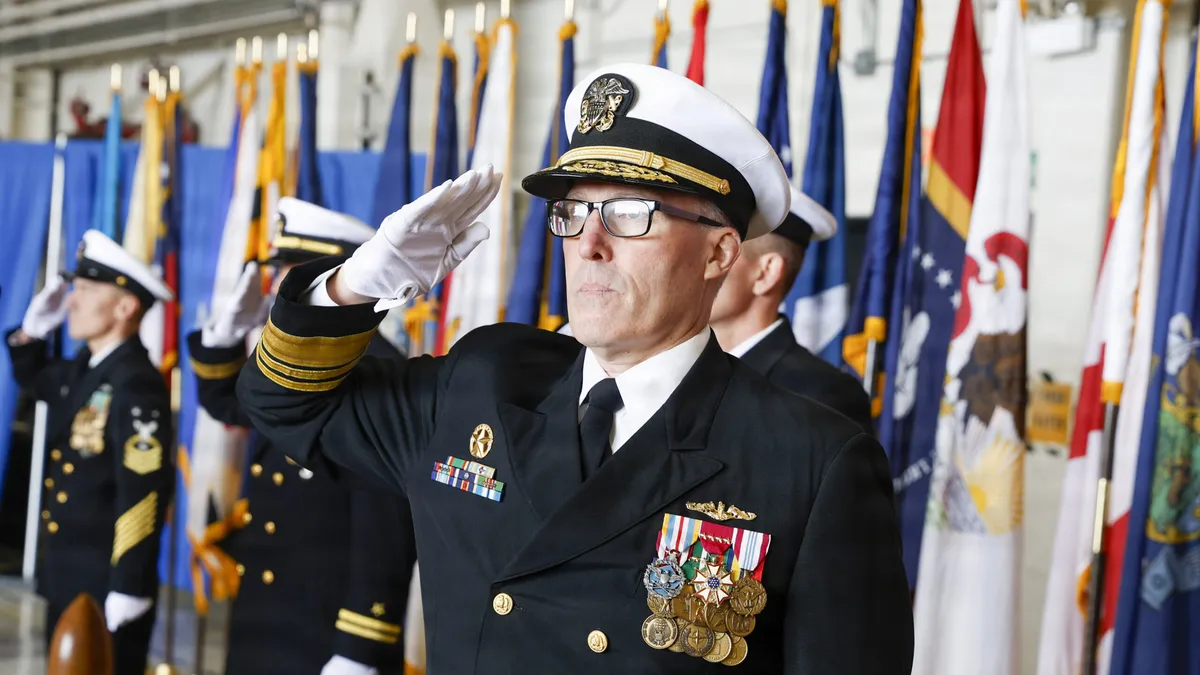
If the czar role includes budget authority, it creates a single point of decision-making for the two largest naval construction programs by cost, potentially accelerating delivery of attack submarines into the Pacific and Atlantic theaters during an active conflict cycle.
This would compress the timeline for replacing aging Los Angeles-class boats and fielding Columbia-class ballistic missile submarines — both variables in deterrence calculations against China and Russia. Conversely, if the role is advisory only, it signals organizational concern about production coordination without material impact on delivery schedules.
This appointment occurs in real time during active US naval combat operations (US submarine sank Iranian frigate IRIS Dena on March 4, 2026) and sustained Iranian retaliation.
The timing suggests the Pentagon is consolidating submarine production authority in response to demonstrated demand — the Mk 48 torpedo strike and ongoing naval operations validate the operational relevance of submarine force expansion. However, the appointment alone does not signal a procurement acceleration, budget increase, or timeline change; it is an administrative reorganization.
The critical question is whether this czar role includes budget authority to compress Virginia/Columbia delivery schedules or redirect funds from other platforms. Without that detail, this is a structural change with unknown operational consequence.
Does Gaucher's role include budget authority to reprogram funds between Virginia and Columbia production, or to accelerate delivery timelines? Does it subordinate other submarine programs or reduce civilian shipyard autonomy?
Fault Lines
Strategic intelligence, synthesized daily — with a public track record. Every call graded against what actually happened.