UK Authorizes Boarding of Russian Shadow Fleet in British Waters
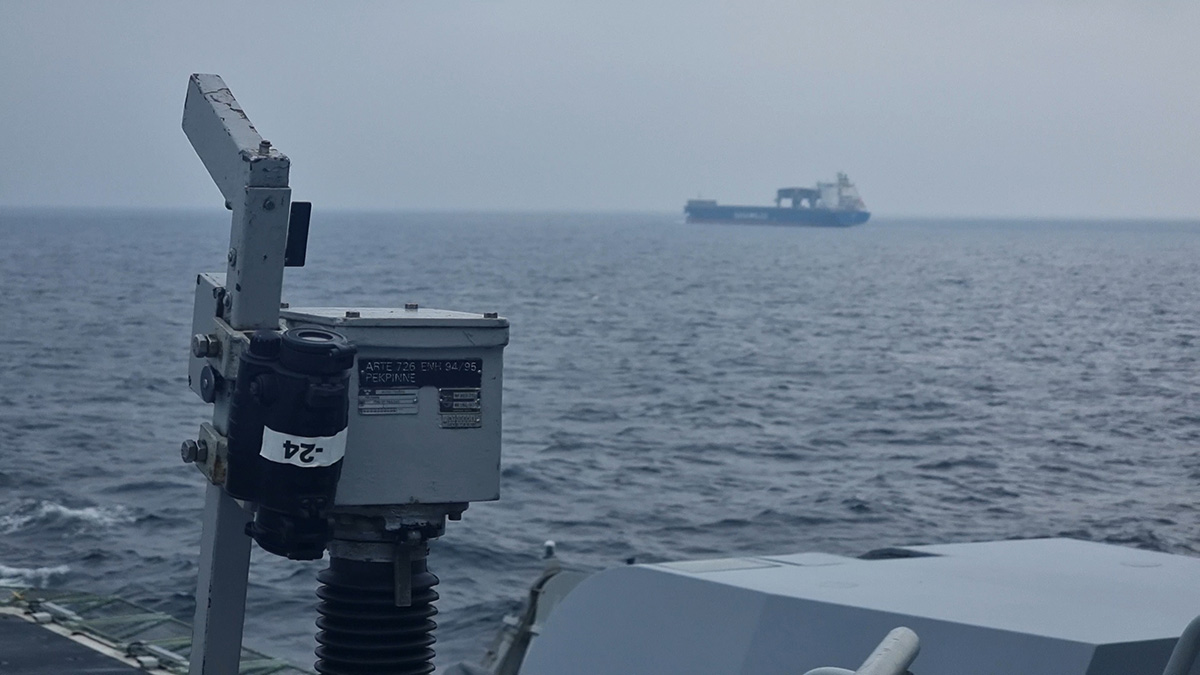
If the UK boarding authority is unilateral and limited to territorial waters, it is a symbolic enforcement signal with limited operational impact—shadow tankers simply reroute.
If coupled with parallel EU/NATO measures and extended to EEZ or high seas (via flag-state cooperation), it raises the operational cost and insurance friction for Russian oil exports, forcing a shift toward non-Western insurance pools (Chinese, UAE-based) and longer transit routes.
This directly affects Russia's oil revenue baseline and the calculus for sanctions evasion investment—a market-forces consequence that feeds back into Russian energy ministry budgets and Western energy market pricing.
This expands the enforcement toolkit for Western sanctions on Russian energy exports, but its actual impact depends on three unknowns: (1) whether the UK will resource interdiction operations in the North Sea and English Channel consistently; (2) whether boarding authority extends to international waters or only territorial waters, which limits reach; (3) whether other NATO/EU members adopt parallel measures, creating a coordinated cordon or leaving gaps.
If isolated to UK waters, impact is modest—shadow tankers already route around UK chokepoints. If it catalyzes EU/NATO harmonization and high seas boarding protocols, it materially tightens Russia's oil transport options and raises insurance/financing costs for shadow fleet operators.
Watch whether this triggers Russian counter-measures against UK shipping or accelerates Russian pivot to non-Western insurance and financing networks.
The article does not specify: (1) whether boarding authority applies only to UK territorial waters (12 nm) or extends to the exclusive economic zone (200 nm); (2) what triggers boarding (sanctions list match, flag-state origin, insurance status, age/condition); (3) whether detention includes asset s...
Fault Lines
Strategic intelligence, synthesized daily — with a public track record. Every call graded against what actually happened.