UK Accelerates Three Long-Range Strike Systems to Production for Ukraine
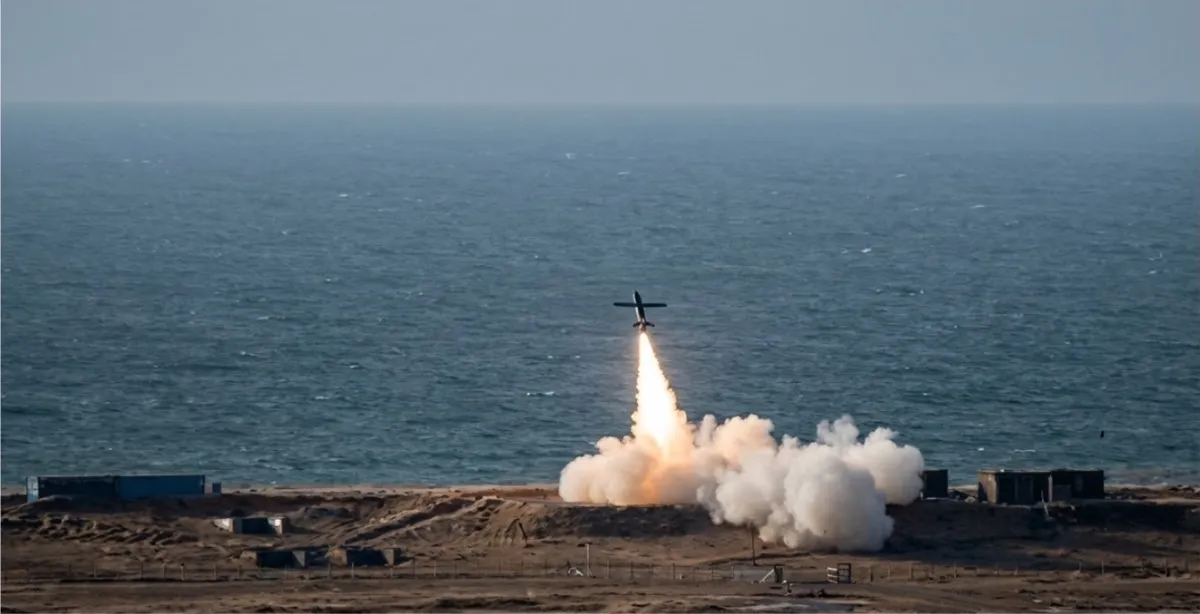
If these three systems enter service within 12-18 months, Ukraine's strike envelope becomes less dependent on US munitions approval — forcing Kyiv to choose between British guidance and American intelligence, not both. This compounds the UK's earlier cruise missile decoupling move (June 21 signal) into a coherent industrial strategy.
Raytheon and Lockheed Martin lose leverage on Ukrainian platform design if British alternatives prove reliable; conversely, if the UK systems underperform or face production delays, the psychological win evaporates and Ukraine reverts to Washington's constraints.
Ukraine gains three independent strike platforms unconstrained by US political cycles or supply bottlenecks, while Britain signals it will absorb industrial risk to decouple allied munitions from Washington's approval.
The production contracts mean UK Defence will carry the capital burden and schedule risk — not the Pentagon. Watch whether these systems reach operational status before the next US election cycle, which could reset Ukraine aid policy entirely. The timeline matters: if the UK delivers before January 2029, these weapons exist outside any future US administration's leverage over Ukrainian targeting.
What is the estimated production rate and unit cost per system? The article doesn't specify how many weapons will be produced or the per-unit economics, which determines whether this is token capability or genuine volume.
Fault Lines
Strategic intelligence, synthesized daily — with a public track record. Every call graded against what actually happened.