Ukrainian Drones Strike Su-57 Stealth Jets at Urals Airbase; Satellite Confirms Damage
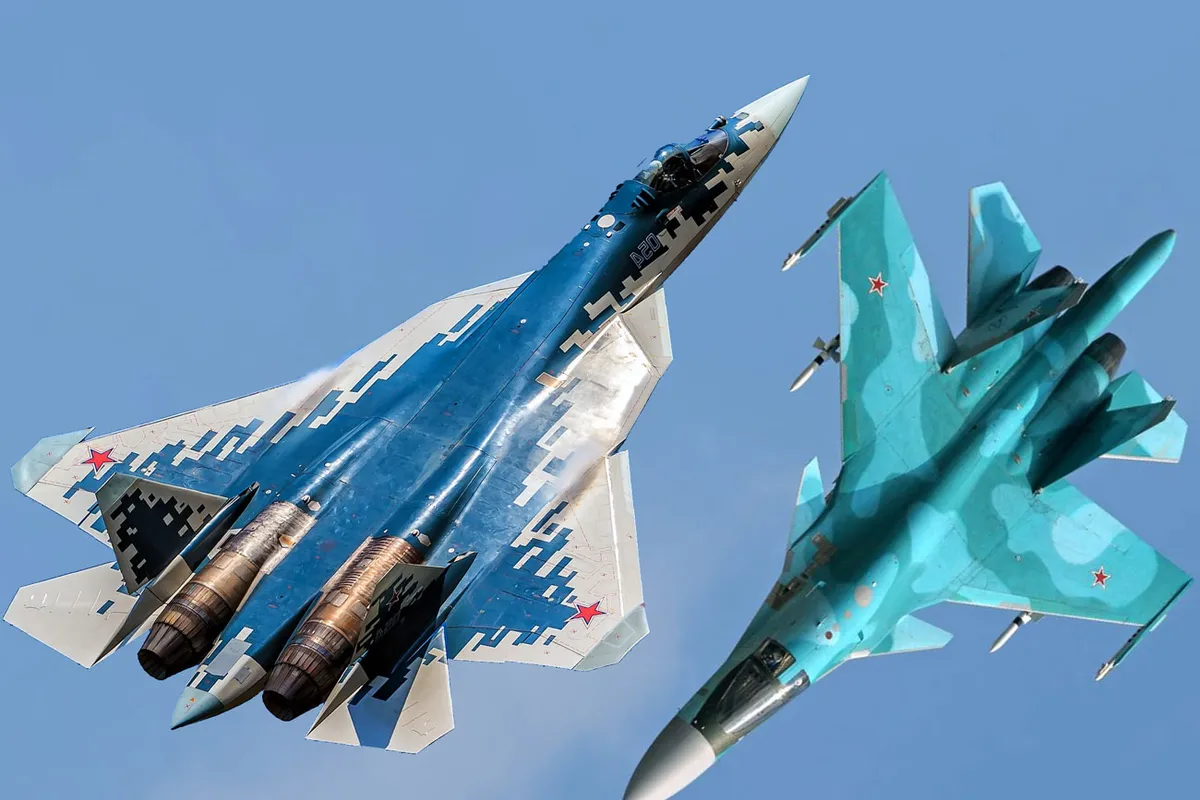
This accelerates Ukraine's energy attrition strategy into air platform targeting. The same drone logistics that have reduced Russian refinery output to 2009 lows are now reaching fighter bases, collapsing the distinction between rear-area and forward-deployed assets.
If Ukraine can strike Shagol consistently, Russia must either accept attrition of its most advanced fighters or pull them further back — either way, air superiority over eastern Ukraine becomes harder to sustain, which cascades into ground force vulnerability and changes the calculus for any NATO reinforcement of Poland or the Baltics.
This kills the operational sanctuary argument.
Russia kept its fifth-generation fighters deep in the Urals precisely because they were supposed to be unreachable — and Ukraine just proved otherwise. The Su-57 program is already underfunded and delayed; losing airframes to drone strikes at a rear base forces Russia to either disperse the fleet further (degrading readiness and logistics) or keep accepting attrition.
For Rostec and Russian defense budgeting, this is a visibility problem: the Su-57 was supposed to demonstrate parity with Western stealth platforms. Instead it's getting picked off 2,000 km from combat. The real cost isn't the airframes themselves — it's the loss of the narrative that Russia has a credible air superiority asset.
How many Su-57s are actually operational, and how many were at Shagol when the strike occurred? The article doesn't specify whether one or multiple airframes were hit, making it impossible to assess the percentage loss to the total active inventory.
Fault Lines
Strategic intelligence, synthesized daily — with a public track record. Every call graded against what actually happened.