Iran War Disrupts Gulf Trade Routes; Oil, Shipping Insurance, Re-export Hubs at Risk
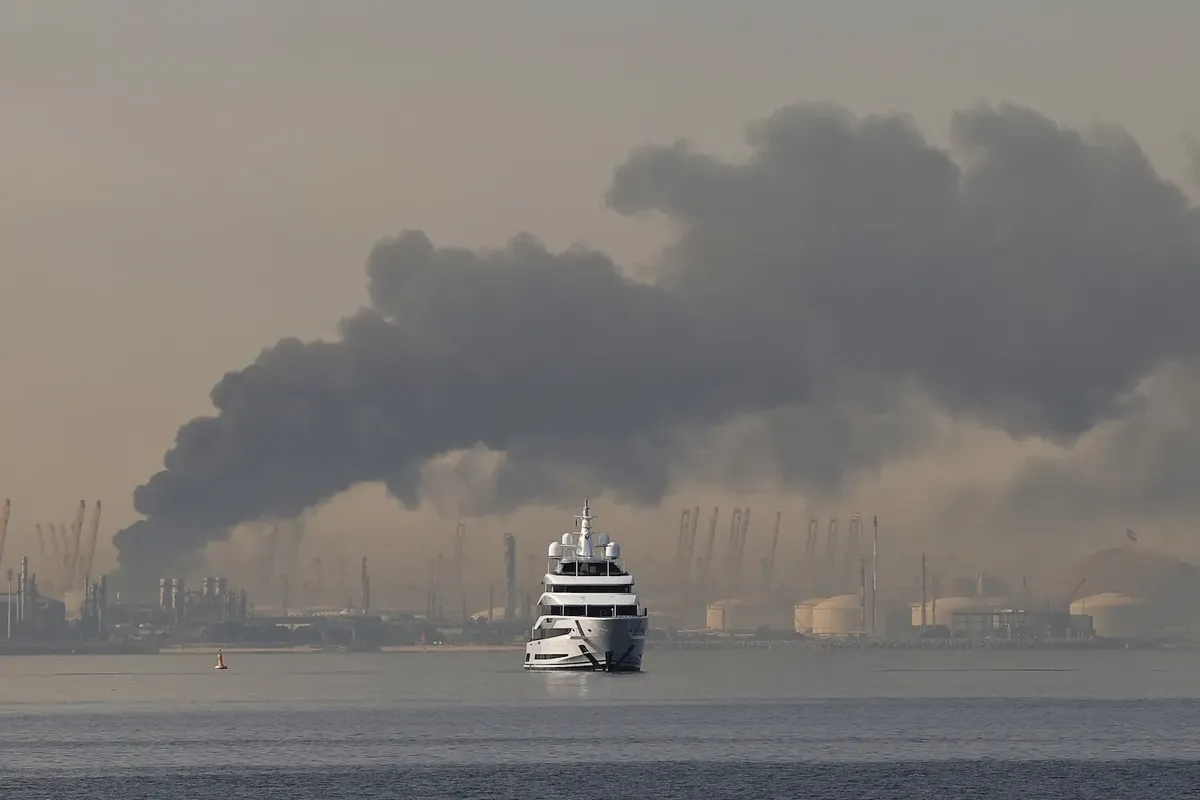
Energy cost inflation cascades directly into defense procurement: higher fuel surcharges on logistics contracts (Oshkosh, General Dynamics maritime) compress margins on fixed-price contracts; shipping delays on spare parts and materials push sustainment schedules backward, forcing extension of existing contracts rather than transition to new platforms.
If Strait of Hormuz transit times extend beyond 5-7 days or insurance premiums exceed 5% of cargo value, contractors will demand contract modifications or seek alternative sourcing — either outcome delays programs and reopens cost negotiations.
This frames the conflict's consequences beyond military metrics into market-moving categories: energy price volatility, shipping insurance premiums, and working capital strain for firms with Gulf supply chain exposure.
Defense primes with overseas manufacturing (RTX, Lockheed, Boeing) and contractors dependent on Gulf logistics face both direct (facility risk, personnel evacuation) and indirect (energy cost pass-through, supply chain delays) pressure.
The analysis matters because it signals where financial markets and policy-makers will look next — if insurance costs spike or shipping routes close, procurement timelines and program costs shift faster than military developments alone would drive them.
Key variable: whether Iran retaliates further against commercial shipping or limits strikes to military targets (as of March 4, no commercial vessel strikes reported).
The article does not specify which US defense contractors have material supply chain or personnel exposure in the Gulf region, nor does it quantify current shipping insurance premium increases or oil price movements since the March 3 strikes began.
Fault Lines
Strategic intelligence, synthesized daily — with a public track record. Every call graded against what actually happened.