US Delays NATO Eastern Flank Weapons; Iran War Depletes Stockpile for Ukraine Air Defense
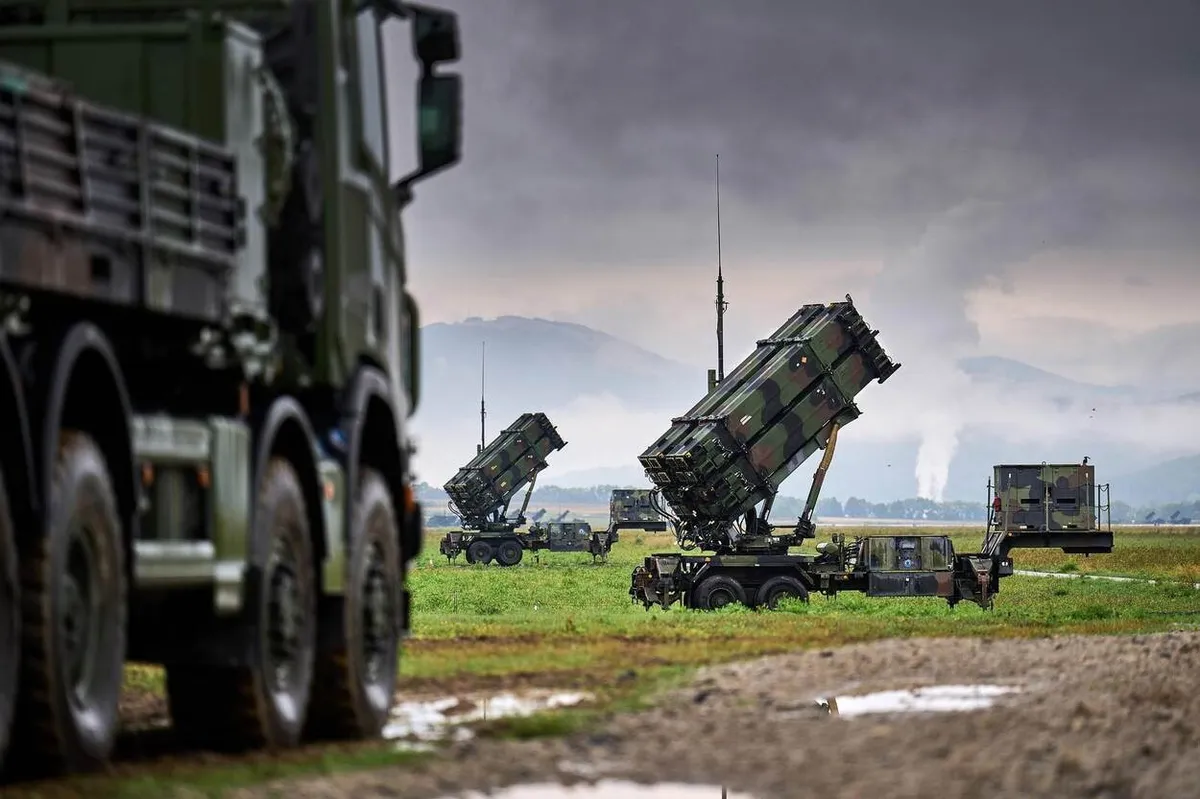
Munitions depletion from the Iran campaign is now rationing allied procurement. This forces European air defense suppliers (MBDA, Thales, Rheinmetall) into direct competition with U.S. primes for allied contracts, because delayed U.S. deliveries create a window for non-U.S. systems.
If Baltic/Scandinavian nations substitute with European air defense (IRIS-T, Patriot alternatives), the industrial base shift persists even after U.S. production recovers, locking allied procurement into non-U.S. suppliers for the next 10-year cycle.
This is the second-order consequence of the Iran campaign becoming the primary claim on U.S. munitions production.
The immediate impact is concrete: specific allied nations lose scheduled delivery windows for air defense systems at a moment when Russian drone and missile attacks on Ukraine are accelerating (147 of 172 drones intercepted April 17 alone suggests sustained Russian pressure).
The strategic cost is measurable: delaying weapons to the Baltic states and Scandinavia during a period of Russian military activity in Ukraine creates a credibility gap with NATO's most vulnerable members, while depleting the munitions pool available for Ukrainian air defense forces that are already rationing Patriot interceptors.
The constraint is structural, not temporary—L3Harris's $1B SRM expansion won't resolve capacity for 18-24 months, meaning these delays will persist through at least late 2027. This forces allied procurement planners to either accept extended timelines or seek alternative suppliers (France, Germany, Poland), shifting industrial base decisions away from U.S. primes.
The article does not specify which weapons systems are delayed, which allied nations are most affected, or the magnitude of delay (weeks vs. months). Without those details, it's unclear whether this is a marginal slip or a critical miss for allied air defense modernization schedules.
Fault Lines
Strategic intelligence, synthesized daily — with a public track record. Every call graded against what actually happened.