B-21 Aerial Refueling Tests Expose Tanker Bottleneck Mid-Conflict Surge
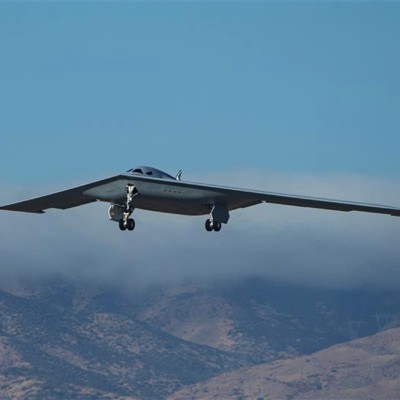
The B-21's operational range is now a function of tanker availability, not aircraft design. If the Middle East campaign continues at current intensity (28 documented Iranian strike waves, ongoing Israeli strikes on Tehran nuclear facilities, Camp Arifjan strike on March 11), U.S. Air Force tanker sorties are already committed to F-15, F-16, and B-52 operations.
B-21 deployments to theater would require either: (1) reducing sorties by other aircraft, (2) accelerating KC-46 production, or (3) accepting shorter-range B-21 missions that reduce standoff distance from air defenses. This converts a procurement delay into a force-employment constraint during active operations.
The B-21's refueling dependency on a 60+ year-old KC-135 fleet during active combat operations (ongoing strikes in Iran/Middle East as of March 11) creates an immediate operational constraint.
If the B-21 cannot achieve long-range strike missions without tanker availability, and tankers are already strained by current Middle East operations, the bomber's deployment depth and response time are capped by logistics, not capability.
This surfaces a procurement timing problem: KC-46 Pegasus replacements are still in serial production, meaning the Air Force cannot surge B-21 operations without cannibalizing tanker support for other theater assets.
The test itself is positive — it confirms the aircraft can refuel — but the underlying message from Air Force leadership is that the platform's operational ceiling is constrained by infrastructure that predates most of its pilots.
The article does not specify: (1) how many B-21s are currently operational or in production; (2) refueling test parameters (altitude, fuel transfer rate, endurance extension achieved); (3) current KC-135 availability rates and tasking in Middle East operations; (4) KC-46 delivery schedule and how ma...
Fault Lines
Strategic intelligence, synthesized daily — with a public track record. Every call graded against what actually happened.