Iran's Terrain Advantage Sustains Hormuz Closure; US Reopening Op Faces Extended Timeline
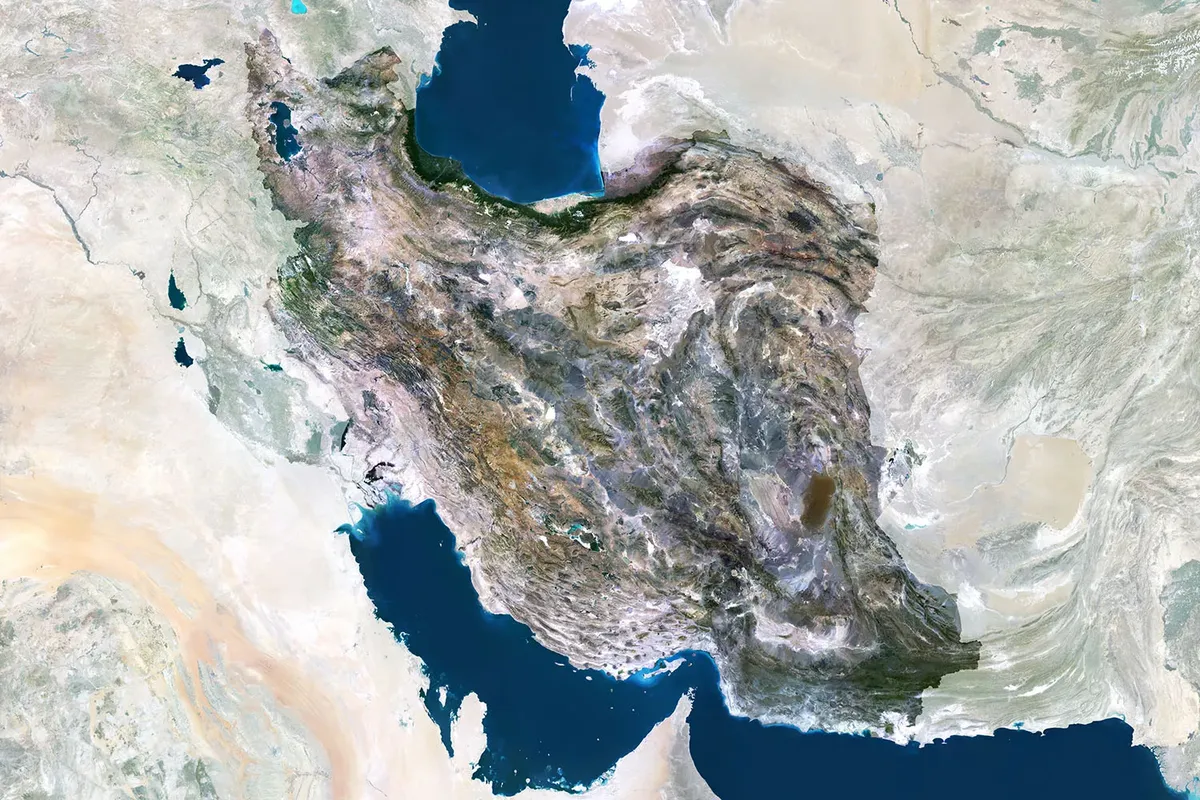
If Iran's terrain advantage extends the Hormuz closure beyond the 5-day Trump pause (ending ~March 28), oil prices remain elevated for weeks longer than markets currently price in, which compresses defense contractor margins on fixed-price contracts and delays non-combat capital expenditure by allied governments.
Simultaneously, the extended closure increases pressure on the US Navy to surge surface combatants and minesweepers to the Persian Gulf, pulling capacity from Pacific contingency planning—this becomes a measurable constraint on Taiwan-scenario force sizing if the Hormuz operation extends past Q2 2026.
This frames the Hormuz closure as a structural advantage rather than a temporary tactic.
If Iran's terrain and coastline genuinely limit US ability to force reopening, the multi-week US operation announced March 23 may extend further—directly impacting global oil supply duration and shipping insurance costs. However, the article provides no new intelligence on Iranian closure enforcement capacity, US Navy positioning, or diplomatic off-ramps that would validate or challenge this geographic thesis.
The analysis is useful for strategy but adds no new operational facts to drive immediate procurement or policy decisions.
The article does not specify: (1) which specific geographic chokepoints Iran controls that enable sustained closure; (2) whether US Navy assets are currently positioned to challenge those points; (3) what timeline the author believes is realistic for reopening, or on what conditions; (4) whether all...
Fault Lines
Strategic intelligence, synthesized daily — with a public track record. Every call graded against what actually happened.