Ceasefire Pause Collapses Oil Prices 15%; Crude Remains Above Pre-Conflict Baseline
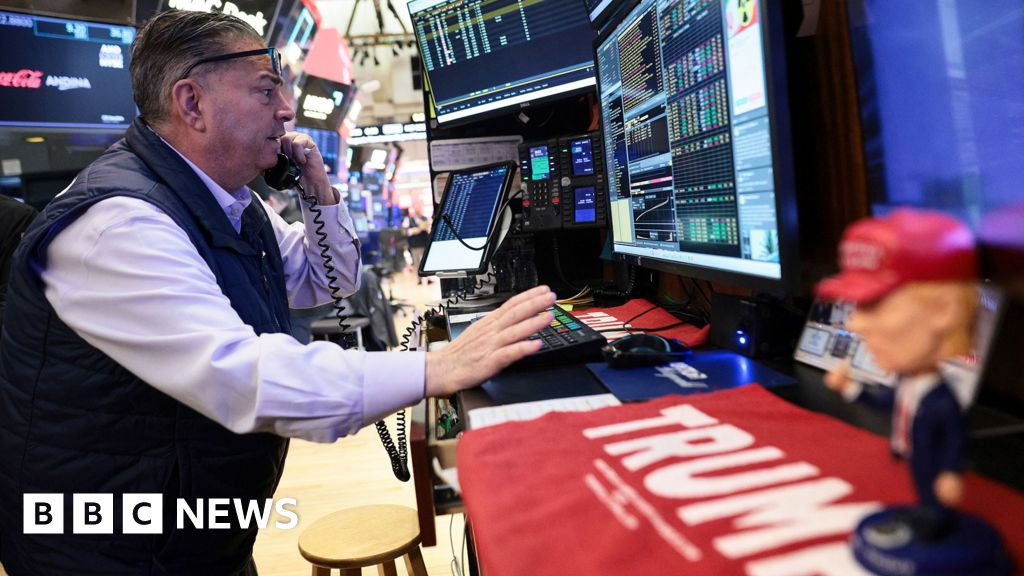
The ceasefire pause temporarily decouples energy prices from geopolitical risk, but the lack of a UN-backed Hormuz protection agreement means any Iranian retaliation or US escalation will immediately reconvert crude into a deterrence variable.
If the conditional ceasefire holds beyond April 10, shipping insurance premiums through the Strait should normalize, reducing operating costs for LNG exporters and freighter operators — this directly affects allied naval basing economics in the Gulf, where sustained high insurance costs have driven some carriers toward longer Red Sea routes.
A 15% intraday crude collapse signals market belief that the immediate risk of sustained regional supply disruption (Iranian missile strikes on Saudi Jubail, Russian satellite support for Iranian operations, IRGC command infrastructure targeting) has receded.
However, the conditional nature of the pause and the absence of a durable resolution framework mean energy markets are pricing in high reversion risk — the elevated baseline relative to pre-conflict levels reflects sustained geopolitical premium.
For defense contractors with energy-sector exposure (RTX Pratt & Whitney, GE Aerospace turbines), sustained high crude prices support customer capex for efficiency upgrades and renewable transition.
For shipbuilders and naval contractors, the pause creates a 48-72 hour window where Hormuz closure risk drops sharply, but Russia-China veto of the UN Hormuz protection resolution (April 7) means no binding international escort framework exists if the ceasefire collapses.
The article does not specify: (1) the exact crude price before and after the 15% move, (2) the specific terms or duration of the conditional ceasefire, (3) whether the pause includes a halt to Iranian cyber operations against US critical infrastructure (CISA warned of PLC exploitation on April 7), o...
Fault Lines
Strategic intelligence, synthesized daily — with a public track record. Every call graded against what actually happened.