BAE Systems' £83.6bn Backlog Signals Multi-Year Demand Lock-In Across NATO Allies
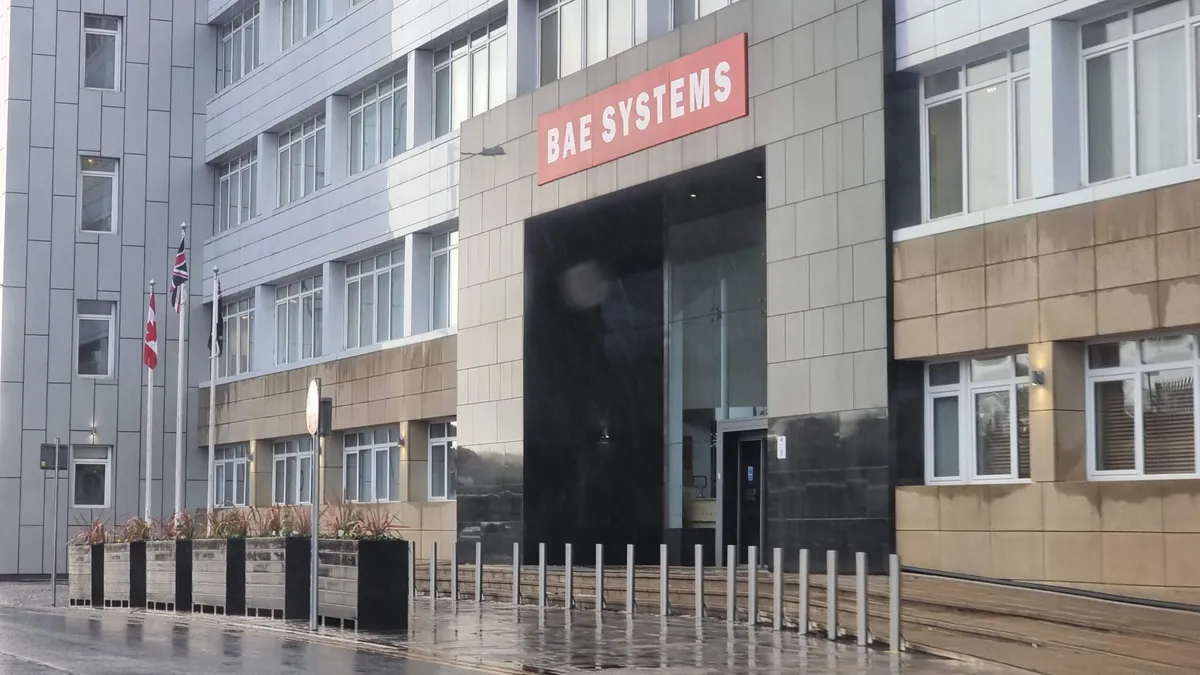
BAE's backlog expansion reflects NATO allies front-loading defence procurement ahead of potential U.S. policy shifts and in response to Russian and Chinese capability advances—a pattern visible across Lockheed Martin and RTX backlogs as well.
If backlog growth is concentrated in allied nations' sovereign programs (Typhoon upgrade, FCAS participation, Type 26 production), BAE gains pricing power in renegotiations and can defer lower-margin U.S. sustainment work, reshaping the competitive dynamics between U.S. primes and their UK-European counterparts.
A £83.6bn backlog represents 3-4 years of revenue at BAE's current run rate and indicates sustained procurement commitments from NATO allies—primarily the UK, US, and Europe.
This matters because it reflects locked-in demand for specific platforms (likely Typhoon, F-35 sustainment, and naval systems) rather than speculative forecasting. For program managers, this backlog visibility reduces execution risk on current contracts and signals that BAE will have capital to invest in supply chain expansion and production rate increases.
However, the headline number obscures critical details: the source does not disclose what fraction is UK-only versus export, what portion is tied to specific programs under pressure (e.g., Type 26 frigate delays), or whether the backlog includes low-margin sustainment work that constrains cash flow.
Investors should distinguish between a backlog heavy in high-margin combat systems versus one weighted toward logistics and support—the former justifies margin expansion, the latter does not.
The article does not specify backlog composition by program, customer nation, or margin profile. It also does not indicate whether the backlog grew due to new orders or order deferrals from prior years, which affects the reliability of revenue forecasts.
Fault Lines
Strategic intelligence, synthesized daily — with a public track record. Every call graded against what actually happened.