India Adds Maritime Helos, Russian SAMs as Indo-Pacific Tensions Rise
India's procurement of Russian air defense systems during active US military operations in the Indian Ocean demonstrates that Indian defense acquisition decisions are not synchronized with US operational tempo or alliance preferences.
If India treats Russian SAM procurement as routine despite US-Iran escalation, it signals New Delhi is prioritizing operational autonomy over alignment signaling—a relevant data point for US Indo-Pacific strategy that assumes allied procurement clustering around US-preferred vendors during crises.
India is reinforcing maritime air defense and surface warfare capability in a theater where the US Navy is already conducting active operations against Iranian assets (submarine sinking of IRIS Dena on March 4, 2026).
The VL-Shtil acquisition—a Russian system—signals India is not restricting procurement to Western allies despite US-led operations in its backyard. The timing and technology choice (Russian SAM over NATO-standard alternatives) may reflect either hedging against escalation spillover into the Indian Ocean or a deliberate signal that Indian procurement autonomy remains independent of US conflict decisions.
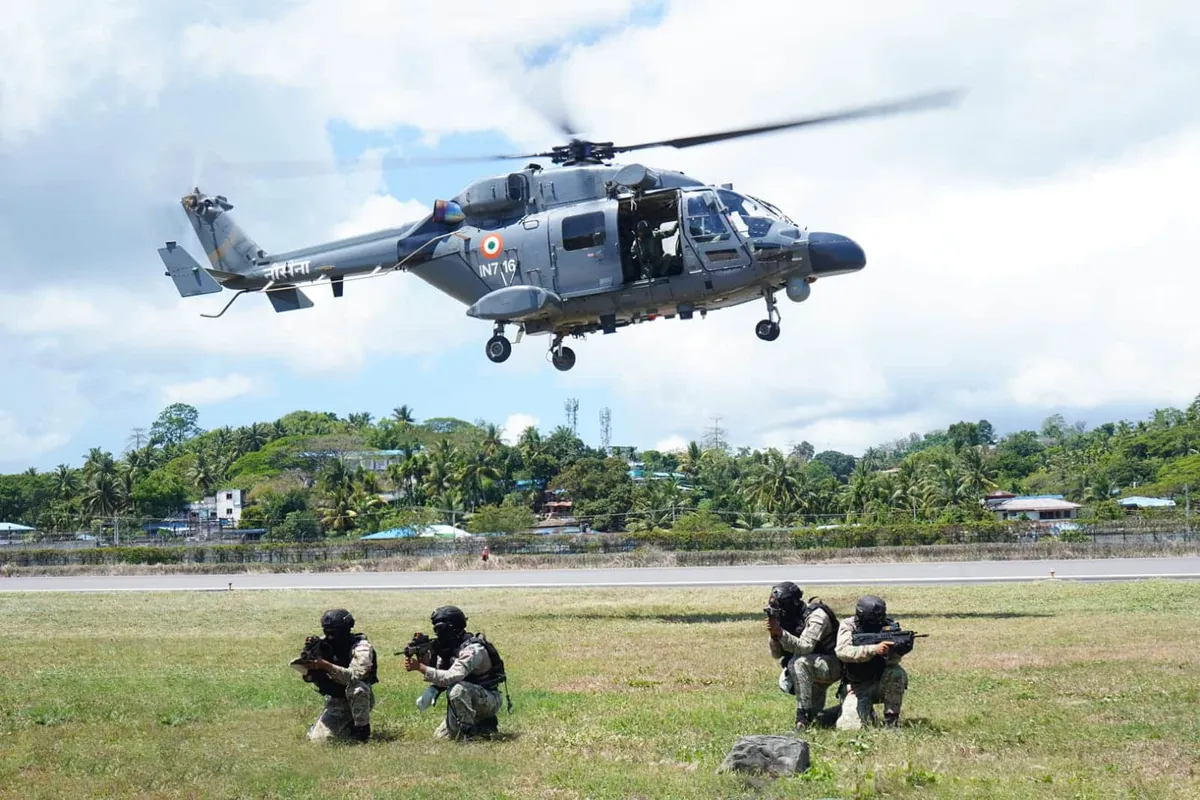
The Dhruv helicopters add organic maritime surveillance capacity to the Coast Guard, useful for monitoring increased naval traffic and potential Iranian naval movements in the region.
The article does not disclose whether these contracts were signed before or after the March 3 US-Israel strike on Iran, whether India coordinated timing with US Central Command, or whether India has issued any official statement on the conflict's extension into the Indian Ocean.
Fault Lines
Strategic intelligence, synthesized daily — with a public track record. Every call graded against what actually happened.