Raytheon Secures $3.7B Patriot Contract Funded by German Air Defense Commitment to Ukraine
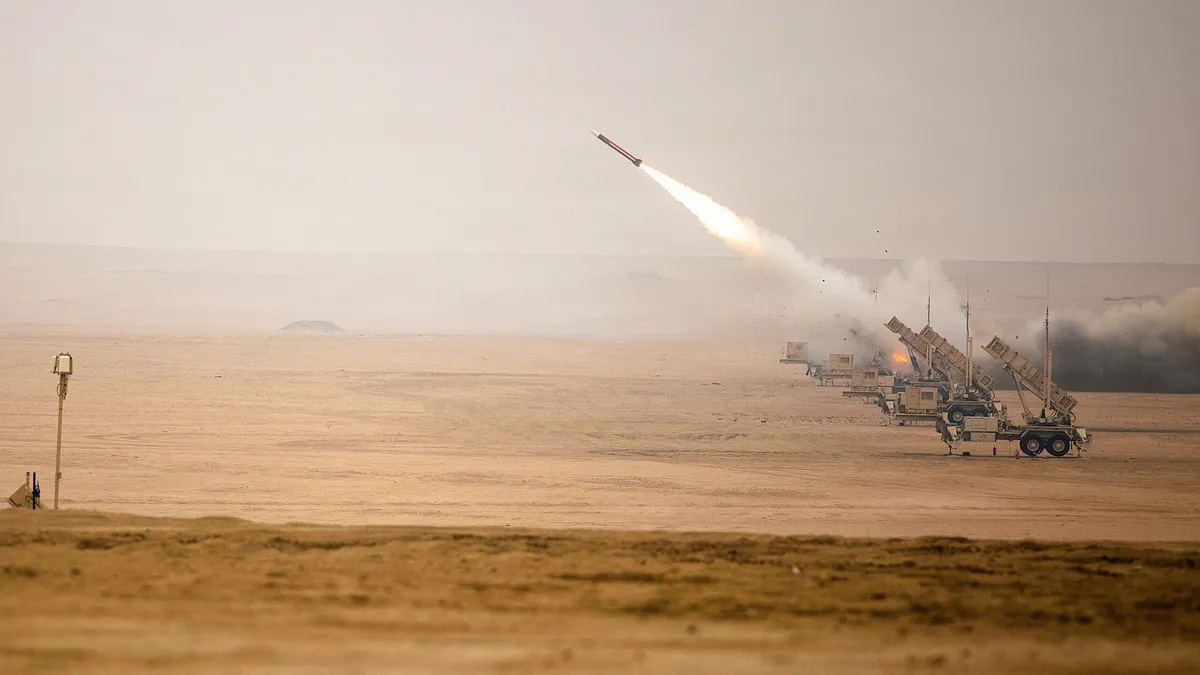
Germany's willingness to fund third-party procurement (rather than drawing from Bundeswehr stocks) indicates Berlin has accepted that Patriot inventory depletion is now a structural constraint on NATO air defense readiness.
This forces Raytheon to choose between extending PAC-2 production timelines (delaying US Air Force and allied replenishment) or investing in line expansion — both increase unit costs and compress margins on existing fixed-price contracts.
If Raytheon opts for timeline extension, NATO air defense modernization programs in Poland, Romania, and the Baltics may slip into 2027, creating a window where Russian air superiority could translate into operational advantage before new systems deploy.
This contract operationalizes Germany's strategic pivot toward direct Ukraine support, converting a political commitment into a specific industrial order within 24 hours.
Raytheon gains a high-visibility, multi-year production commitment in a conflict theater where air defense is the binding constraint on Ukrainian force sustainability. The speed of execution (announcement to contract in one day) signals allied consensus on Ukraine's air defense priority and suggests German funding may unlock similar commitments from other NATO members.
However, the undisclosed timeline creates uncertainty about production surge capacity — Raytheon must meet PAC-2 demand from this contract alongside existing NATO inventory replenishment and US domestic stockpile commitments, all competing for the same production line.
The article does not specify the number of PAC-2 interceptors covered by the $3.7B contract, the delivery timeline, or how this order fits within Raytheon's total PAC-2 production capacity relative to other commitments (US military, NATO allies, Israel).
Fault Lines
Strategic intelligence, synthesized daily — with a public track record. Every call graded against what actually happened.