De-scoped Collins LOTE Exposes Australia's Submarine Industrial Bottleneck; Japan Alternative Gains Credibility
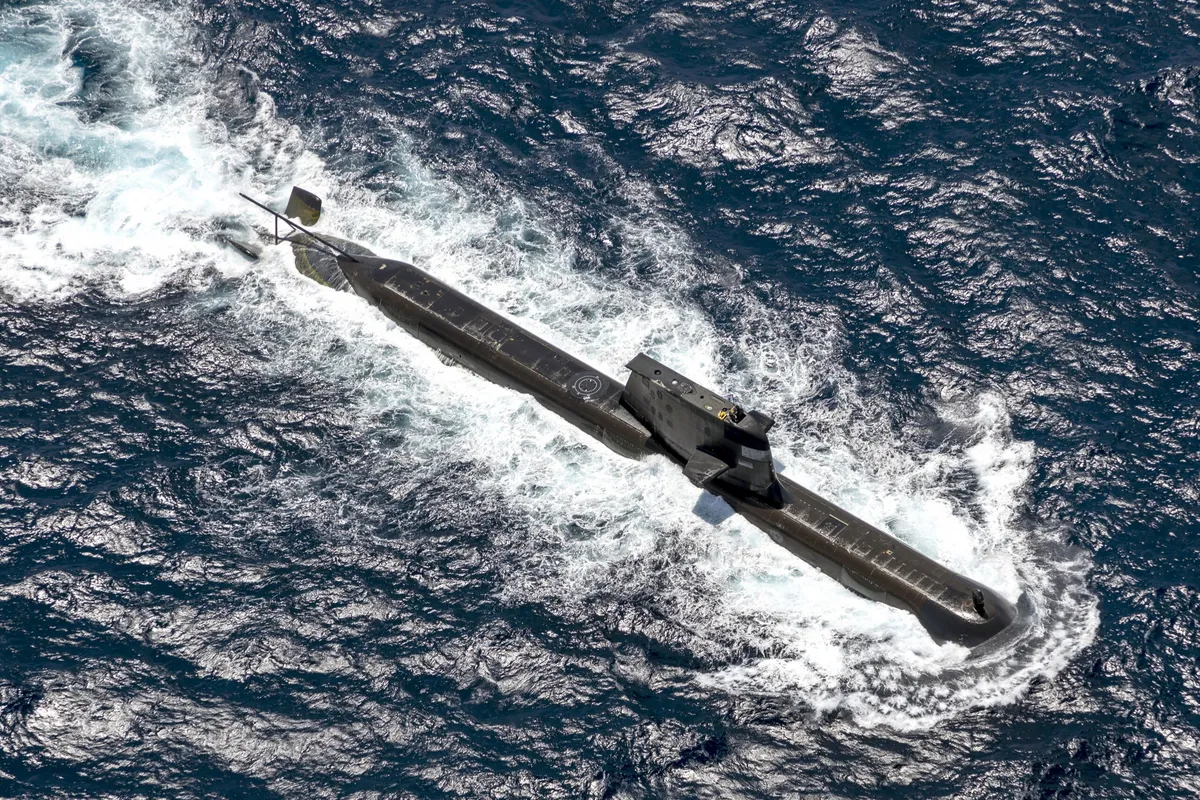
If Australia commits to Japanese submarine procurement as a stopgap, it signals to Beijing that AUKUS undersea dominance is not guaranteed — a perception shift that could embolden PLA Navy operations in the South China Sea during the Attack-class production gap (estimated 2027–2035).
Conversely, a formal Japan procurement also locks Australia into a three-submarine-class operating environment (Collins, Attack, Soryu/Taigei), creating sustainment and training complexity that drains O&M budgets away from munitions stockpiles and crew rotations. The real constraint is not money — it's shipyard capacity.
Australia's submarine industrial base cannot deliver both the Collins extension AND Attack-class production on the timeline required by Indo-Pacific deterrence.
The ASPI analysis indicates the government is now openly considering Japan's Soryu or Taigei-class submarines as a hedge — a decision that would reshape Australia's defense industrial strategy and signal loss of confidence in Attack-class schedule credibility to AUKUS partners.
The trigger is the FY27 defense budget cycle: if Australia formally requests Japanese submarine procurement, it forces a reckoning with Canberra's $35B+ Attack-class investment and raises hard questions about whether the Virginia-class attack submarine partnership with the US remains the primary pillar of Australian undersea capability.
Has the Australian Department of Defence formally briefed AUKUS partners on the Japan submarine option, or is ASPI's analysis ahead of official government position? What is the actual delivery timeline for Attack-class Block 1A, and does it now slip past 2035?
Fault Lines
Strategic intelligence, synthesized daily — with a public track record. Every call graded against what actually happened.