F-35 Deliveries Begin Without Radars; Northrop Radar Delays Extend Into 2027
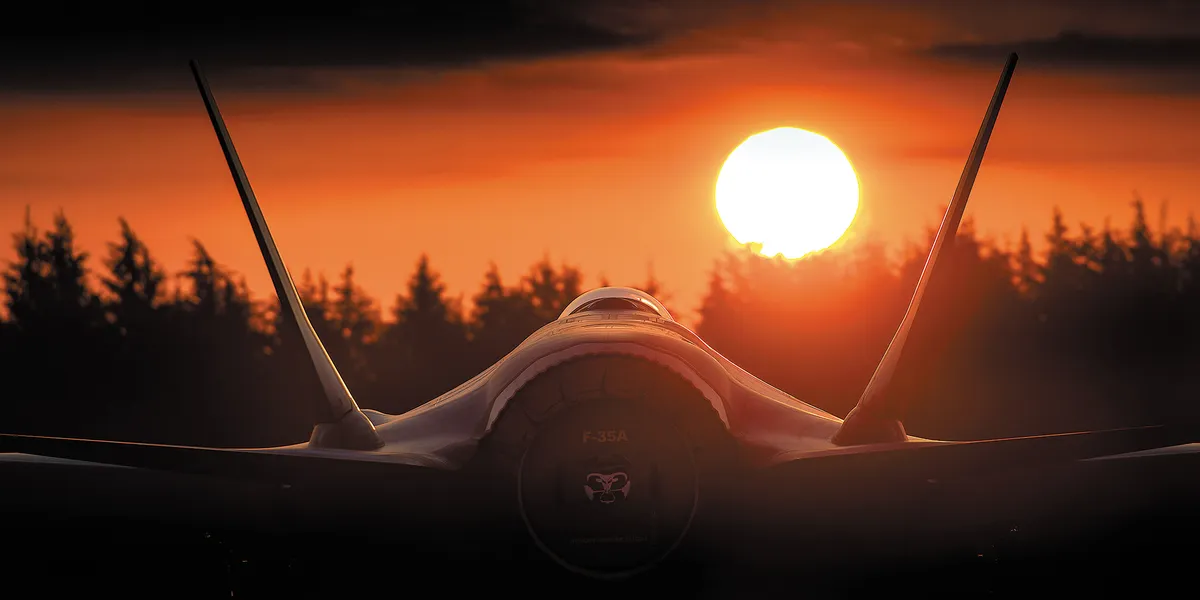
The radar delay reduces the sensor-equipped fighter count available for sustained Middle East operations during active Iranian strikes (confirmed across five consecutive days of Iranian barrages against Israeli nuclear facilities and U.S. bases).
Fewer radar-equipped F-35s in theater narrows the sensor network supporting air defense and strike coordination, forcing reliance on older platforms or allied air defense systems for coverage gaps.
In the Indo-Pacific, delayed radar deliveries compress the window for F-35 force buildup before Taiwan contingency scenarios, potentially shifting burden to F-15EX and F-16V sustainment contracts to bridge sensor availability.
F-35s arriving without operational radars reduce combat capability during a period when the U.S. is sustaining high operational tempo in the Middle East and maintaining deterrence posture across the Indo-Pacific.
Aircraft accepted now will require depot-level radar installation after production catches up, creating a maintenance backlog and delaying full operational availability. This directly impacts readiness timelines for squadrons already committed to theater operations and contingency planning for Taiwan contingencies, where sensor-equipped fighter density is a quantified requirement for Pacific Command force modeling.
The article does not specify how many aircraft will arrive without radars, the expected installation timeline once Northrop completes production, or whether units deploying to CENTCOM or INDOPACOM in the next 12 months will be affected.
Fault Lines
Strategic intelligence, synthesized daily — with a public track record. Every call graded against what actually happened.