Gulf Energy Infrastructure Damage Locks in Oil Price Floors Through 2026; Refinery Outages Extend Supply Shock
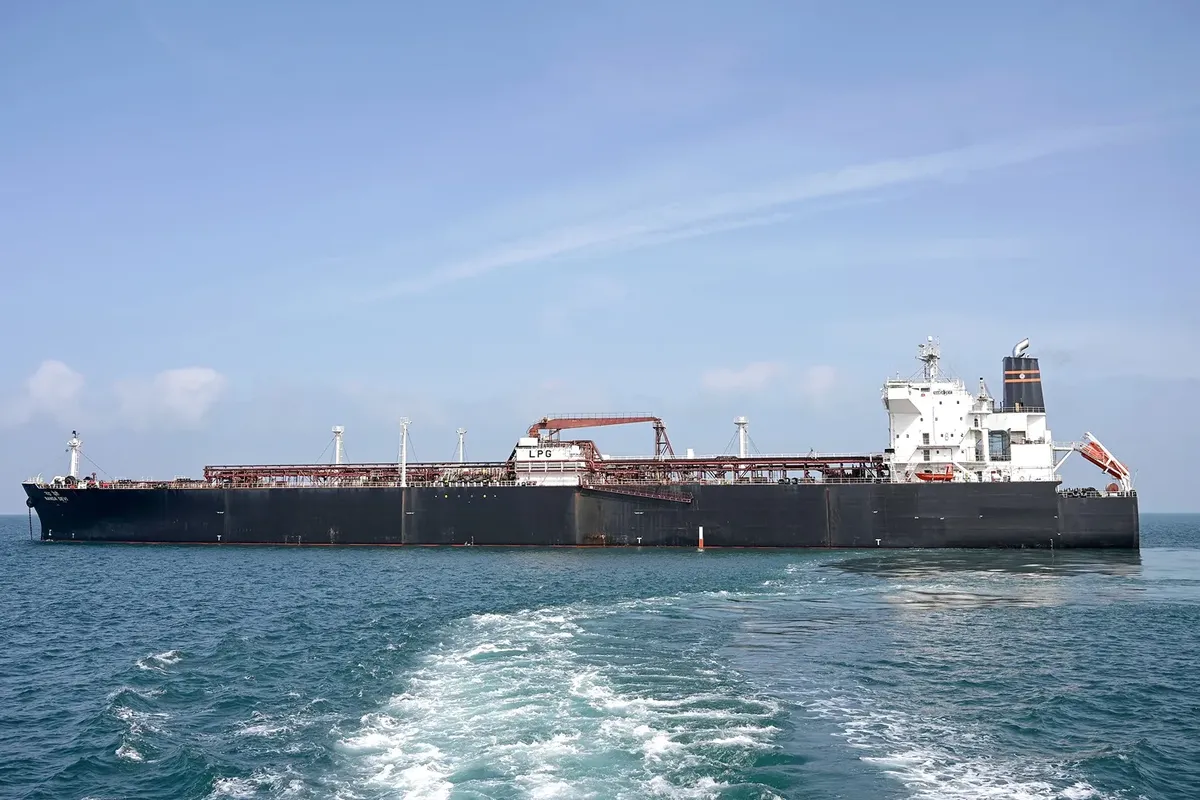
Energy cost inflation directly compresses margins on fixed-price defense contracts (F-35 sustainment, shipbuilding labor rates, missile production). If energy prices remain 20-30% above baseline through Q2 2026, prime contractors will absorb costs rather than risk contract renegotiation during active conflict.
This creates a window for smaller suppliers to demand cost-plus adjustments, shifting bargaining power downstream. Watch for cost-plus contract amendments in RTX, LMT, and HII Q2 earnings calls.
Energy markets have priced in temporary supply disruptions but not sustained capacity loss.
If Ras Laffan, South Pars, and UAE export infrastructure require 3+ months to restore (the article's implied baseline), global LNG prices remain elevated through Q2 2026, forcing industrial power costs higher for aerospace manufacturers, semiconductor fabs, and shipbuilders dependent on Gulf feedstock.
Conversely, if recovery is faster (6-8 weeks), prices normalize by late May, reducing margin pressure on energy-intensive defense supply chains. The article does not quantify recovery timelines by facility — that gap determines whether this is a Q2 earnings headwind or a structural cost increase. Investors should track QatarEnergy and ADNOC repair announcements, not price forecasts.
The article does not specify estimated recovery timelines for each damaged facility (Ras Laffan, South Pars, UAE facilities), production capacity losses as a percentage of global supply, or which downstream industries (aerospace, semiconductors, shipbuilding) face the most acute feedstock cost press...
Fault Lines
Strategic intelligence, synthesized daily — with a public track record. Every call graded against what actually happened.