U.S. Fighter Deployment to Middle East Accelerates as Iran Nuclear Talks Stall
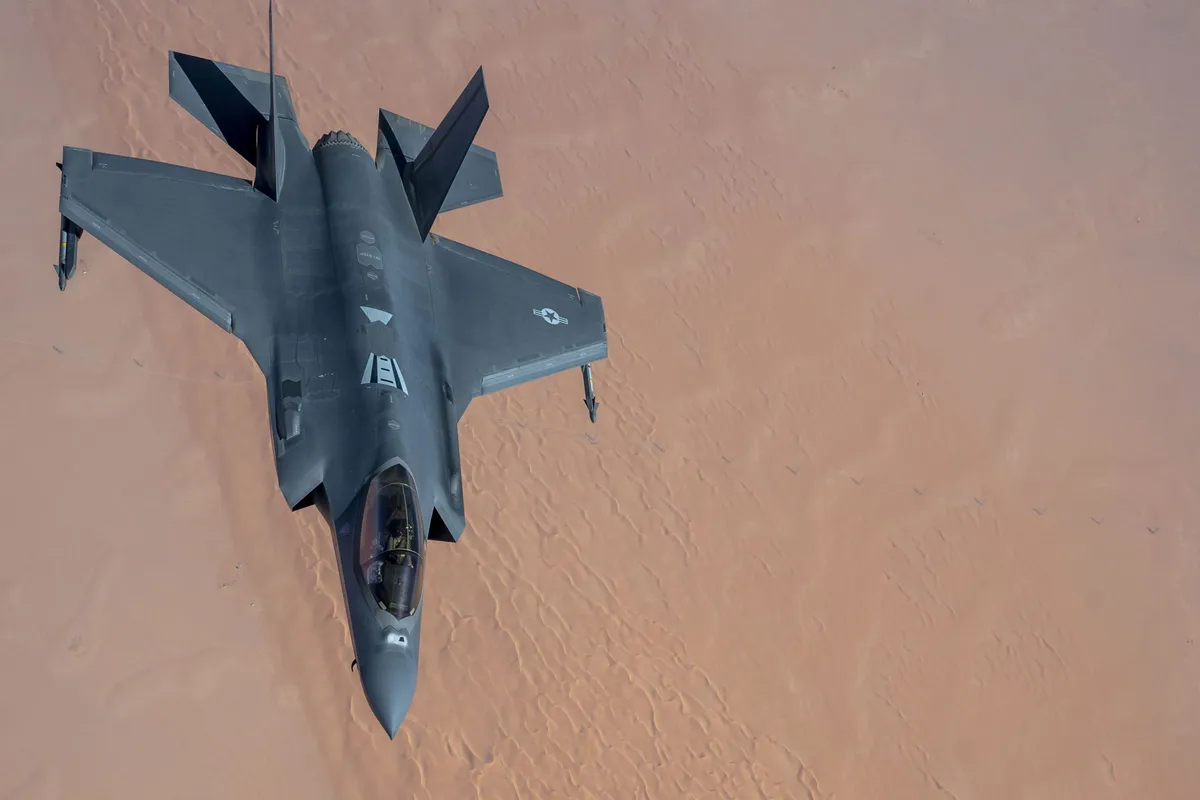
If the deployment sustains beyond 30 days, it forces extended munitions consumption planning for Raytheon and General Dynamics (air-to-ground inventory drawdown), which feeds into FY27 replenishment procurement timelines. A strike scenario would immediately consume precision-guided munitions inventory faster than current production rates, creating urgency for accelerated AGM-158 and GBU-39 contracts.
Conversely, if talks resume and the deployment reverses, it signals no near-term Iran contingency budget impact.
The deployment signals readiness to execute a military option if talks collapse, but the article provides no details on scale, composition, or timeline — critical inputs for assessing whether this is a routine rotation, a genuine strike posture, or signaling to Iran.
Without knowing how many fighters, which bases they're staging from, or when they arrive, it's impossible to distinguish between deterrent messaging and operational preparation. The market impact depends on whether this becomes sustained (favoring aerospace sustainment and munitions primes) or resolves quickly (no lasting procurement effect).
How many fighters specifically, which types (F-15E, F-16, F-35?), and which bases are they deploying to? Is this a single surge or a rotation that will persist? Are munitions or logistics being repositioned at the same rate?
Fault Lines
Strategic intelligence, synthesized daily — with a public track record. Every call graded against what actually happened.