France Deploys 10 Warships to Hormuz as Shipping Escorts Enter Active Conflict Zone
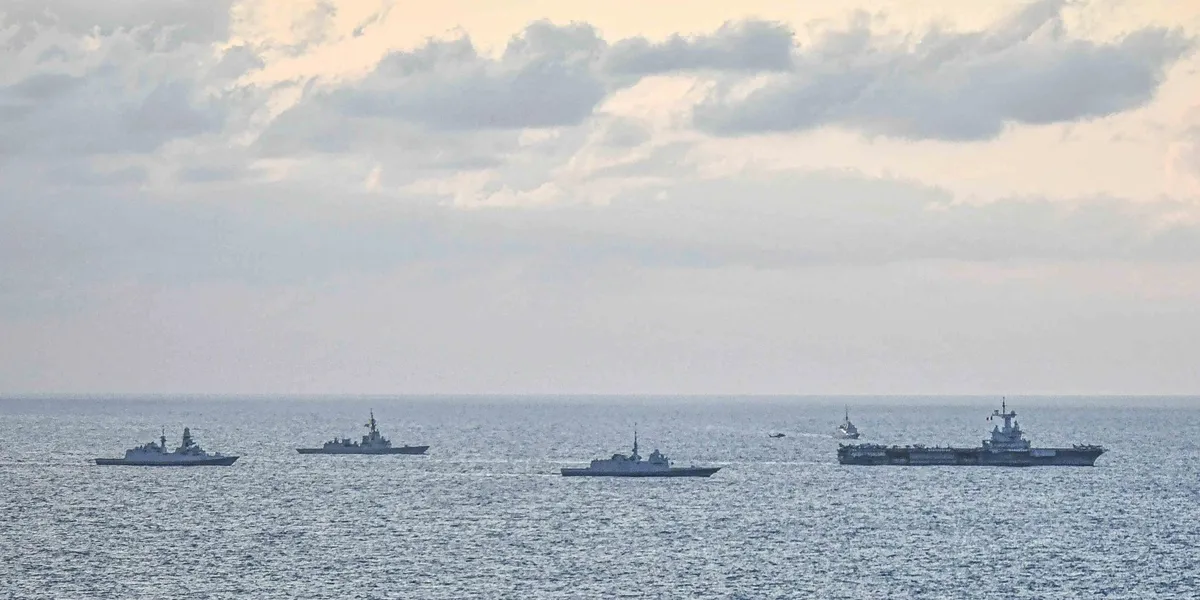
France's escort commitment converts Hormuz security from a bilateral US-Saudi problem into a multilateral NATO logistics operation. If Iranian anti-ship attacks damage or sink a French frigate, Paris faces domestic pressure to invoke Article 5 or conduct independent retaliation, fracturing the current US-led strike campaign (which has been unilateral with Israeli participation) into a broader allied coalition.
This shifts the conflict from a US-Israel-Iran triangle into a US-Europe-Iran triangle, widening the audience for escalation decisions and complicating Iranian calculations about the cost of continued Hormuz blockade attempts.
France is committing surface combatants to a contested waterway where Iran has demonstrated both capability and intent to strike merchant traffic.
This moves European naval presence from deterrent positioning into operational engagement with an active threat — escorts will now operate under fire or under fire threat. The decision exposes French vessels to Iranian anti-ship missiles and drones (demonstrated in the March 12 attacks on Gulf fuel infrastructure) and signals that European allies are willing to assume kinetic risk to maintain Hormuz throughput.
If French ships sustain casualties or are struck, the political cost of escalation rises sharply for Paris, potentially forcing NATO-wide responses that extend beyond the current US-Israel-Iran cycle.
The article does not specify which 10 ships will deploy, their composition (frigate, corvette, replenishment types), current location, or transit timeline.
Fault Lines
Strategic intelligence, synthesized daily — with a public track record. Every call graded against what actually happened.