US Strikes Iran After Apache Helicopter Downed in Hormuz; Escalation Enters Direct Retaliation Cycle
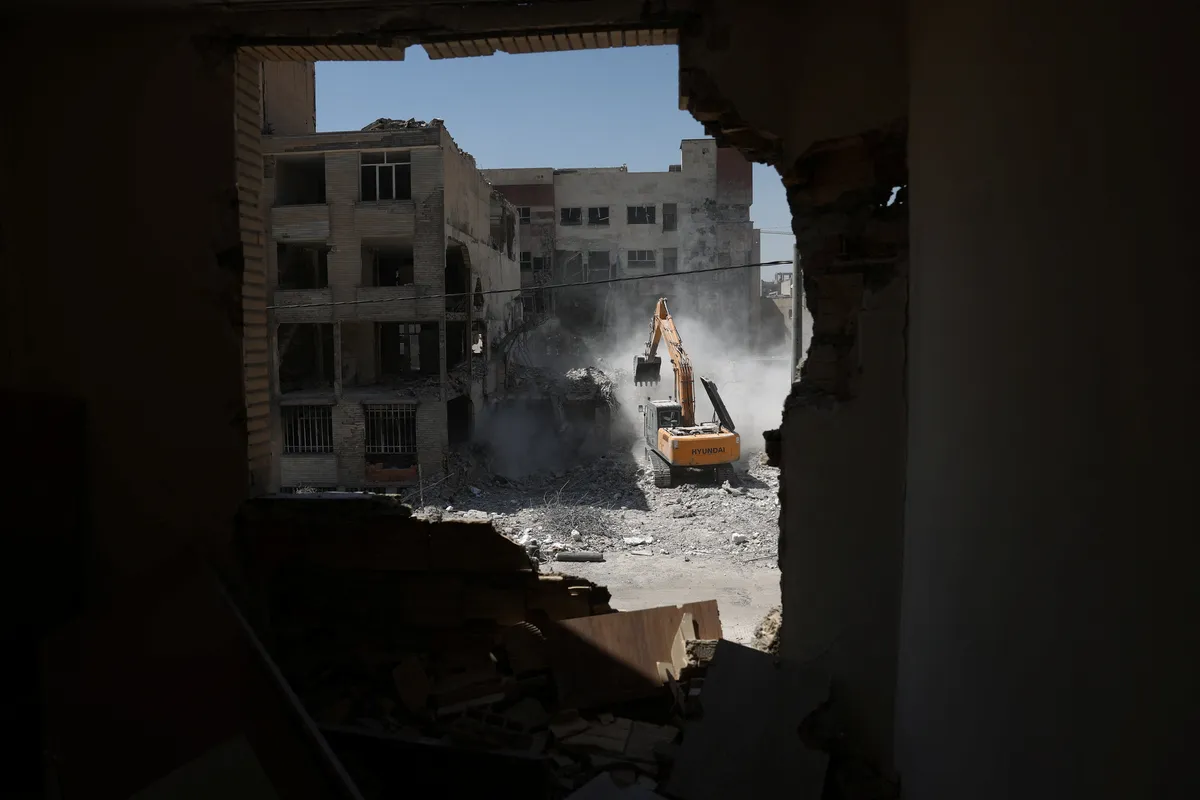
If the Apache loss was to organized Iranian air defense (not a lucky shot), CENTCOM faces a hard choice: accept helicopter attrition as a cost of forward presence, or cede the low-altitude interdiction role to fixed-wing assets and standoff weapons. The first option bleeds pilots and aircraft at a pace the Navy can't sustain for 18+ months.
The second option means the F/A-18 tanker strike on June 8 becomes the model — precision strikes on shipping — which escalates the economic pressure on Gulf shipping (rates already up 109% since the conflict began) and invites Iranian retaliation against commercial vessels. Either path feeds the cycle.
The U.S. is now operating in a direct tit-for-tat retaliation loop with Iran — each strike triggers a response, not a de-escalation signal.
This shifts the conflict from measured signaling (Al Udeid strike on June 5, Israeli radar strikes, IRGC retaliation on June 8) into a cycle where tactical losses (a downed helicopter) automatically trigger U.S. strikes, raising the probability of unplanned escalation or miscalculation.
Central Command must now assume Iranian air defense is actively engaging U.S. rotary-wing assets in the Strait — a constraint that forces CENTCOM to either accept attrition or pull Apache operations back from forward positions, compressing the interdiction zone where the U.S. Navy F/A-18 disabled the tanker on June 8.
Watch for whether Iran claims additional U.S. losses in the next 72 hours (a common escalation pattern) and whether Trump signals further strikes or a pause.
Did the Apache go down to Iranian air defense, or to a tactical anti-ship system? The source of the loss determines whether Iran has closed the air-superiority gap or merely got lucky — that distinction shapes CENTCOM's risk calculus for sustained Hormuz operations.
Fault Lines
Strategic intelligence, synthesized daily — with a public track record. Every call graded against what actually happened.