US Strikes Iranian Positions Near Hormuz as Iran Expands Target Set to Kuwait Civilian Airport
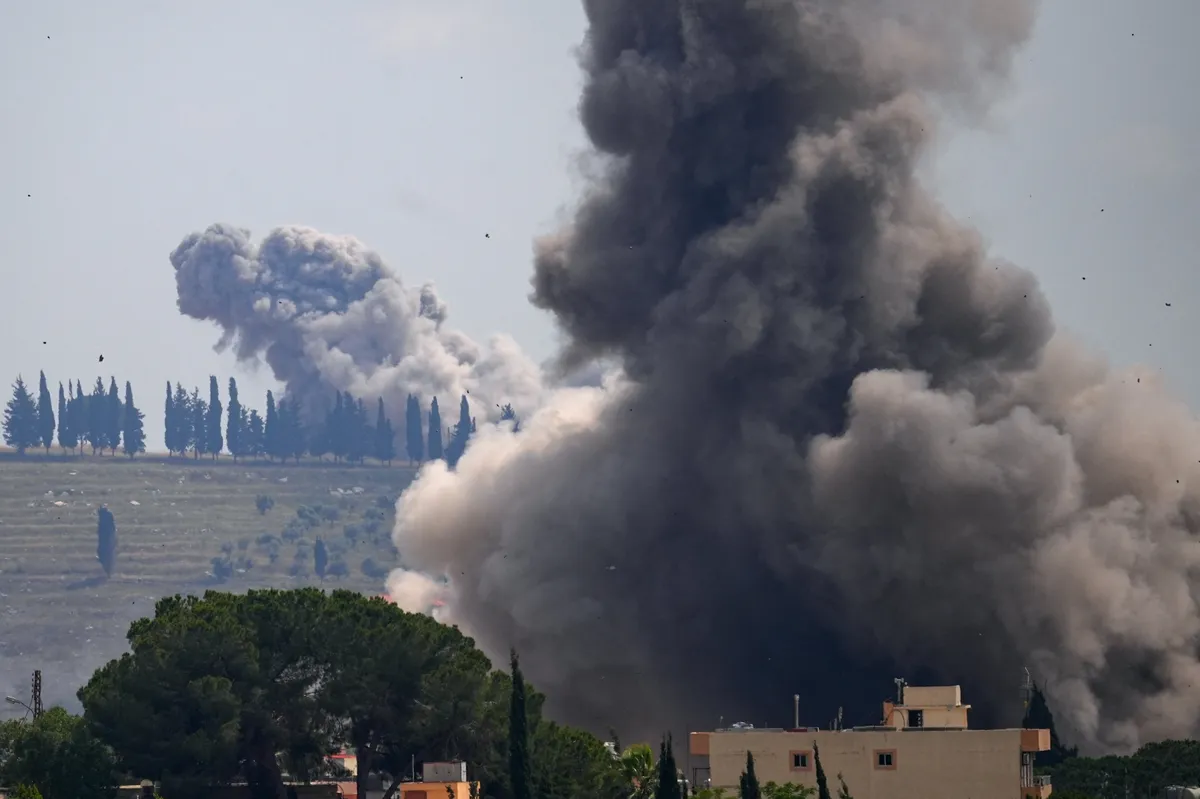
If Iran sustains strikes on civilian infrastructure in allied territory, the US faces a choice between accepting a new baseline of regional economic disruption or conducting larger-scale strikes deeper into Iranian territory — which accelerates the cycle further.
Kuwait's geographic position as a logistics hub for CENTCOM operations means sustained airport closures degrade US force sustainment for both Iraq and the Arabian Peninsula. Rubio's June 2 statement blocking sanctions-for-Strait negotiations removes the diplomatic off-ramp, leaving only military escalation or mutual exhaustion as exit paths.
The attack on Kuwait's airport signals Iran is escalating beyond military-to-military retaliation into strikes on allied civilian infrastructure and third-country targets — a shift that forces Kuwait and regional partners into direct operational decisions about airspace closure, force posture, and whether to invoke collective defense frameworks.
CENTCOM's continued strikes-in-response preserve the tit-for-tat cycle without breaking it, meaning both sides retain escalation authority and neither has signaled a off-ramp. Watch whether Kuwait formally requests US air defense reinforcement or invokes Gulf Cooperation Council mutual defense language by June 5 — that triggers a different tier of allied commitment.
Did Iran deliberately choose Kuwait's civilian airport to signal willingness to impose economic costs on US allies, or was it a secondary target of opportunity? The distinction determines whether this is tactical escalation or a strategic pivot to coerce the GCC.
Fault Lines
Strategic intelligence, synthesized daily — with a public track record. Every call graded against what actually happened.