Heritage Foundation Rates Space Force 'Marginal'; Contested Environment Readiness Gap Widens
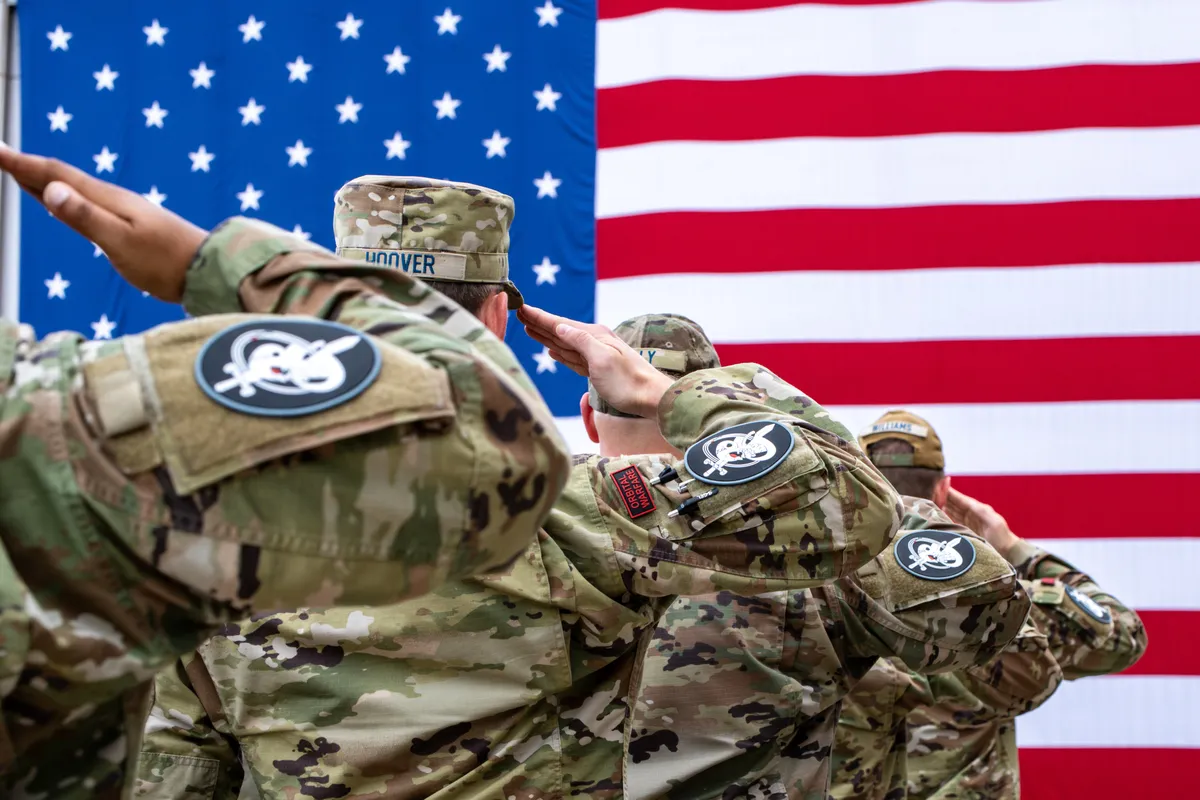
The Heritage Foundation's readiness assessment becomes operationally consequential because U.S. air superiority over Iran (confirmed March 2-3) and sustained strike operations (B-1B missions, ongoing sorties) depend on space-based GPS, satellite communications, and ISR coverage that the report now flags as vulnerable in contested conditions.
If Iran or proxy actors attempt to degrade U.S. space assets during this conflict window, the Foundation's 'marginal' rating will shift from policy criticism to combat constraint. This directly feeds into FY2027-2028 Space Force budget advocacy and satellite resilience procurement timelines, where legacy single-point-of-failure systems face accelerated replacement pressure.
This assessment arrives as the U.S. is actively engaged in state-on-state military operations against Iran (March 3-4, 2026), where space-based assets—GPS, communications, ISR—are critical to air superiority and strike coordination.
A documented readiness gap in contested space operations directly exposes the current conflict's dependency on space systems that the Heritage Foundation now rates as under-resourced. If Iranian or allied actors target U.S. space infrastructure during this conflict, the operational consequences will validate the Foundation's warning in real time.
For procurement, this signals pressure on Space Force budget justifications and potential acceleration of anti-satellite defense programs, but the timing—mid-conflict—limits time to field new capabilities. Contractors in satellite resilience, on-orbit servicing, and space-based communications face near-term demand signals but long procurement timelines.
The report does not specify which adversary space systems the Space Force is unable to hold at risk, or quantify the resource shortfall (funding, personnel, specific capability gaps).
Fault Lines
Strategic intelligence, synthesized daily — with a public track record. Every call graded against what actually happened.