NATO deterrence degradation: Ukraine fatigue, capacity gaps, and alliance cohesion under test
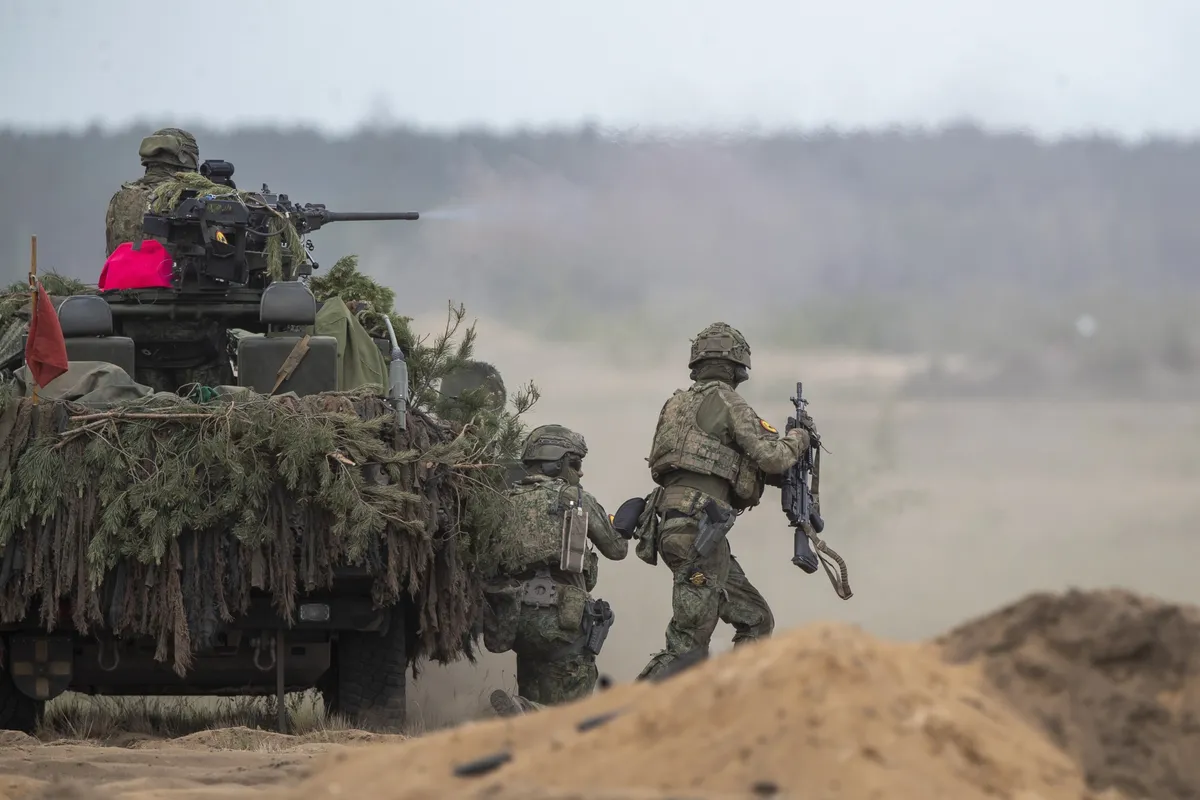
This spans two pillars. Power Projection: NATO's ability to deter or respond to Russian aggression depends on forward-deployed capacity and readiness; if Ukraine drains resources and alliance cohesion frays, force posture becomes reactive rather than preventive.
Market Forces: Sustained uncertainty about alliance commitment and deterrence credibility delays European defense spending decisions and fragments procurement (national vs. NATO-integrated), raising costs and extending timelines. The mechanism is political risk feeding operational risk, which then distorts capital allocation.
Limited third-pillar relevance (Geopolitical Friction) unless the article addresses sanctions or export controls—it does not.
If ECFR's framing is accurate, this creates a window of vulnerability that affects force posture, procurement urgency, and alliance burden-sharing negotiations.
Specifically: (1) Defense primes and program managers should expect accelerated procurement timelines and potential contract modifications as NATO members attempt to rebuild capacity before deterrence fully erodes—watch for supplemental budgets and expedited qualification processes in 2026–2027. (2) U.S.
European Command and allied defense ministries face a choice between accepting risk in the near term or committing to sustained high-readiness postures that lock in budget and operational tempo for years. (3) Alliance cohesion is a forcing function: if deterrence is perceived as failing, weaker members (Baltics, Poland, Romania) may demand bilateral U.S. guarantees or forward-deployed assets, shifting NATO's integrated defense model.
The critical unknown is whether Ukraine stabilizes (reducing one pressure) or whether U.S. domestic political support for aid continues to erode (compounding all three). This is not an imminent crisis but a medium-term constraint on strategic flexibility.
The article does not specify which NATO members' military capacity is most degraded, which allied contributions to Ukraine have been unsustainable, or what metrics ECFR uses to measure 'alliance strength'—making it difficult to prioritize which sectors or geographies face the highest risk.
Fault Lines
Strategic intelligence, synthesized daily — with a public track record. Every call graded against what actually happened.