DOE Selects Five Firms for Domestic Gallium Production; Ends 39-Year Import Dependency
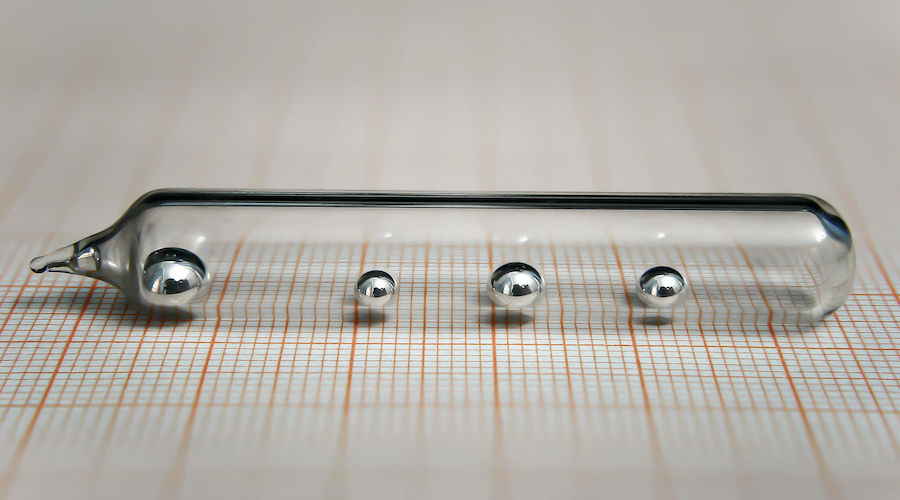
Gallium supply constraints will ripple into defense procurement timelines: any defense prime (Raytheon, Northrop, Lockheed) relying on gallium-based RF components for missile seekers, phased-array radars, or satellite transponders faces potential bill-of-materials delays if the blockade persists beyond Q3 2026.
The DOE selection suggests the administration now views critical mineral access as a direct deterrent to blockade duration — if domestic gallium comes online, the calculus for maintaining the blockade shifts from 'indefinite' to 'until production capacity reaches X.' This converts a military logistics problem into a industrial policy race.
Gallium is essential for semiconductor manufacturing, RF components, and radar systems — all dual-use technologies critical to defense electronics and space systems.
The timing signals that the blockade has forced a reassessment of supply-chain exposure: any disruption to maritime routes through Southeast Asia or the Middle East threatens access to gallium sourced primarily from China and Australia.
Domestic production reduces single-point-of-failure risk but will take 3-5 years to scale; in the interim, the blockade creates acute procurement pressure on defense contractors dependent on gallium-based components (RF front-ends for missile guidance, optoelectronic systems for space). The policy is a defensive reaction to the current conflict, not a preemptive strategy.
Success depends on whether the five firms can secure capital and real estate amid recession risk flagged by the IMF on April 14.
The article does not identify which five firms were selected, their production timelines, or the scale of domestic output targeted. Without those details, it's unclear whether this addresses near-term blockade-induced shortages or is purely a long-term resilience play.
Fault Lines
Strategic intelligence, synthesized daily — with a public track record. Every call graded against what actually happened.