USAF Explores C-130J Conversion to Replace Two MC-130Js Lost in Iran Rescue
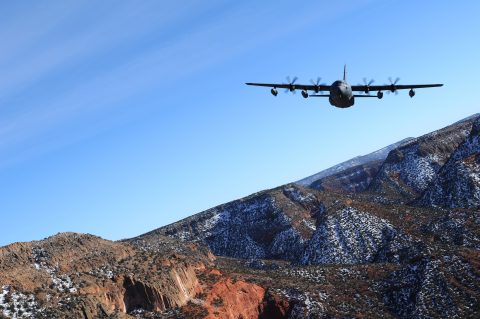
A C-130J-to-MC-130J conversion avoids the 24-36 month lead time for a new MC-130J build, but it also signals that Lockheed Martin's Marietta line is either capacity-constrained or priced prohibitively for rapid attrition replacement.
If SOCOM opts for conversion over new-build procurement, it accepts technical risk (converting a baseline transport to special operations standard introduces integration and certification delays) in exchange for schedule certainty.
The precedent matters: if this becomes the standard replacement pathway for SOCOM airframe losses, it suggests the primes are no longer absorbing surge capacity — SOCOM must choose between speed and capability depth.
SOCOM faces a near-term personnel and capability gap if replacement timelines slip beyond the next 18 months.
Two MC-130J losses represent 5-7% of the operational special operations transport fleet, and rebuilding that capacity through green-aircraft conversion rather than attrition-replacement procurement signals either a budget constraint or an industrial bottleneck at Lockheed Martin's Marietta facility.
The decision hinges on whether SOCOM can absorb conversion costs ($50-80M per airframe estimated) from existing O&M accounts or requires a supplemental. Watch the FY27 budget request for explicit MC-130J replacement line items — if SOCOM stays silent, the conversion pathway is funded and the gap is being closed internally.
What is the actual attrition rate on the MC-130J fleet, and does SOCOM have sufficient operational depth to sustain a 12-18 month conversion timeline without degrading special operations transport capacity in the Indo-Pacific?
Fault Lines
Strategic intelligence, synthesized daily — with a public track record. Every call graded against what actually happened.