UK Minehunting Task Force Deploys to Middle East as Oman Toll Routes Splinter Hormuz Control
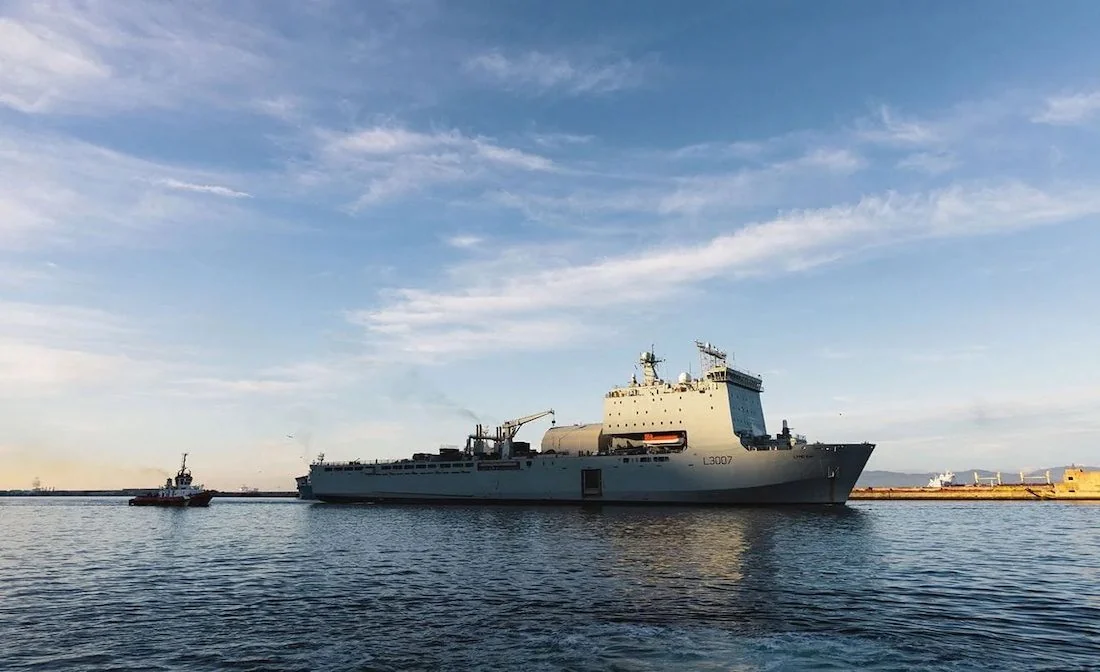
If Oman's routes achieve 20%+ of Hormuz traffic within 12 months, the economics flip: US and UK mine-clearance operations become insurance for a narrowing slice of commerce, not the strategic lever they were designed to be.
This forces CENTCOM and UK Defence to choose between: (1) accepting a diminished role in a fragmented chokepoint, or (2) expanding operations into the Oman routes themselves — a move that would require Muscat's explicit consent and risks alienating the one regional power keeping the alternatives open.
The minehunting deployment assumes the Strait remains the primary route; the Oman announcement already tests that assumption.
The UK deployment signals NATO-aligned powers are building redundancy into Hormuz transit as Iran's closure fractures the chokepoint into competing route operators.
London's minehunting commitment (timeline and unit strength not specified in source) locks allied resources into a sustained presence, but Oman's parallel corridors — operating toll-free and outside traditional control — create a structural problem: if the toll routes gain adoption, they erode the leverage that any single power (US, UK, or Iran) can exert over global oil transit.
Watch whether shipping insurers begin pricing Oman's northern route at parity with the Strait within 90 days — that signals a permanent fracture in chokepoint monopoly.
What is the actual composition and rotation schedule of the UK minehunting force — how many vessels, how long deployed, and what is the stated mission duration? The article does not specify.
Fault Lines
Strategic intelligence, synthesized daily — with a public track record. Every call graded against what actually happened.