Spain Blocks US Iran Strike Operations From Its Bases, Triggering Trump Retaliation Threat
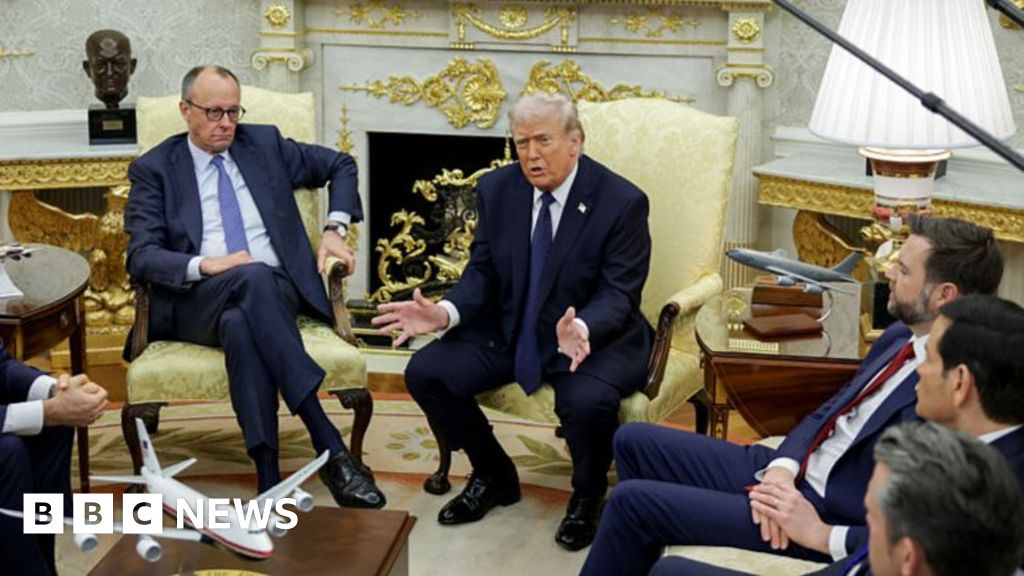
Spain's base denial compresses the operational envelope for Iran contingency planning, forcing Pacific Command and Central Command to recalculate sortie generation rates and extend logistics tail for Mediterranean-based assets.
If Trump's trade threat materializes and other NATO hosts perceive retaliation as the cost of military independence, allied base access becomes a negotiated outcome rather than a standing commitment—converting force posture from a structural advantage into a variable dependent on diplomatic alignment, which degrades US ability to execute rapid response timelines in the Middle East.
This directly threatens forward basing access critical to US power projection in the Mediterranean and North Africa.
If enforced, Spain's denial forces the US to rely on carrier-based or more distant land bases for Iranian contingencies, extending sortie times and reducing surge capacity.
Trump's trade retaliation threat signals willingness to weaponize economic leverage against NATO allies over military policy disagreements—a precedent that could fracture allied burden-sharing if other European hosts calculate that base denial carries acceptable political cost.
The outcome depends on whether Spain's government views the restriction as temporary leverage or a durable policy shift, and whether other European hosts (Italy, Germany, UK) follow suit or publicly distance themselves.
Which Spanish bases are affected (Rota, Morón, others)? Is this a blanket denial or restricted to specific operation types? Has Spain stated conditions for reversal, or is this a unilateral veto? What is the timeframe—days, months, indefinitely?
Fault Lines
Strategic intelligence, synthesized daily — with a public track record. Every call graded against what actually happened.