Intuitive Machines Acquires Goonhilly Earth Station for Deep-Space Comms Expansion
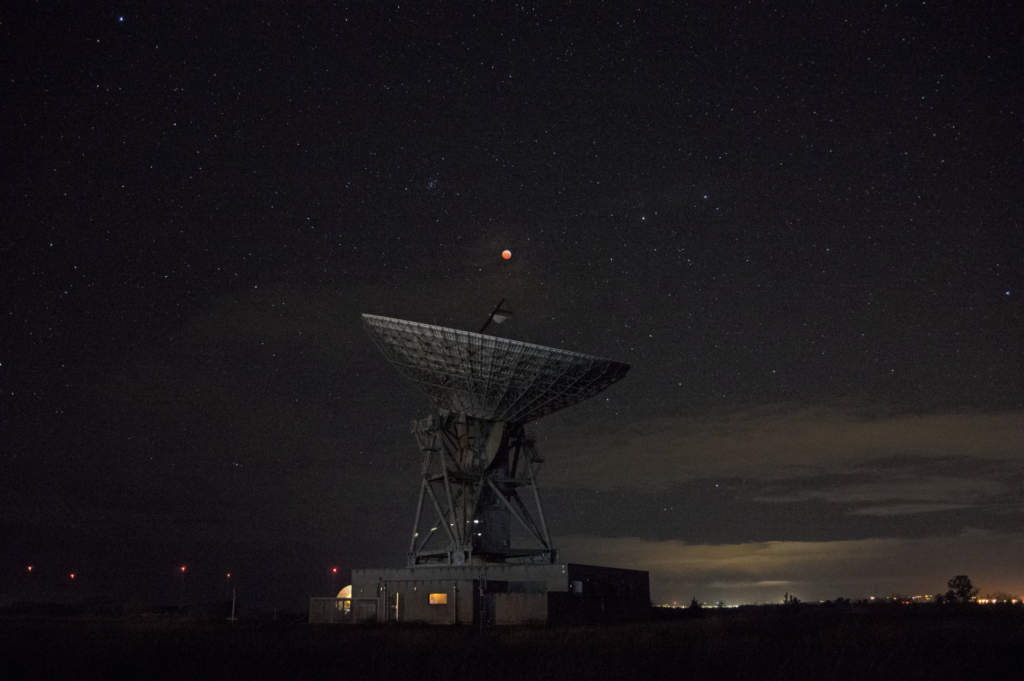
If Intuitive Machines successfully integrates Goonhilly's RF assets with its lander comms architecture, it can undercut competitors like Axiom or Sierra Space on end-to-end mission cost — ground station rental fees disappear.
However, Goonhilly's UK/US regulatory footprint introduces compliance overhead: ITAR review on RF data, UK export control sign-off on antenna tech, and potential CFIUS scrutiny if the deal involves sensitive frequency bands. The real constraint is whether Goonhilly's aging dishes can handle the data rates lunar landers will demand by 2028-2029.
If they can't, Intuitive Machines has bought a brand and a real-estate footprint, not a capability.
This is a vertical integration play that locks Intuitive Machines into ground infrastructure before the lunar logistics market stratifies.
Goonhilly operates one of the few deep-space tracking facilities outside government control — acquiring it removes a dependency on third-party ground networks and lets Intuitive Machines bundle comms as a margin-bearing service layer, not a pass-through cost.
The timing matters: as the 26-nation Hormuz escort coalition and broader space-based PNT systems come online (per recent signals), redundant ground infrastructure becomes a differentiator for commercial lunar operators. Watch whether Axiom Space or Blue Origin pursue similar ground-station acquisitions within 12 months — if they do, this signals a structural consolidation of the lunar service stack.
What was the purchase price, and does Goonhilly's current customer base (ESA, UK MOD, commercial telecom) have continuity guarantees or renegotiation clauses in the deal?
Fault Lines
Strategic intelligence, synthesized daily — with a public track record. Every call graded against what actually happened.