GAO: DCSA Industrial Security Reviews Backlog Hits Hundreds of Violations
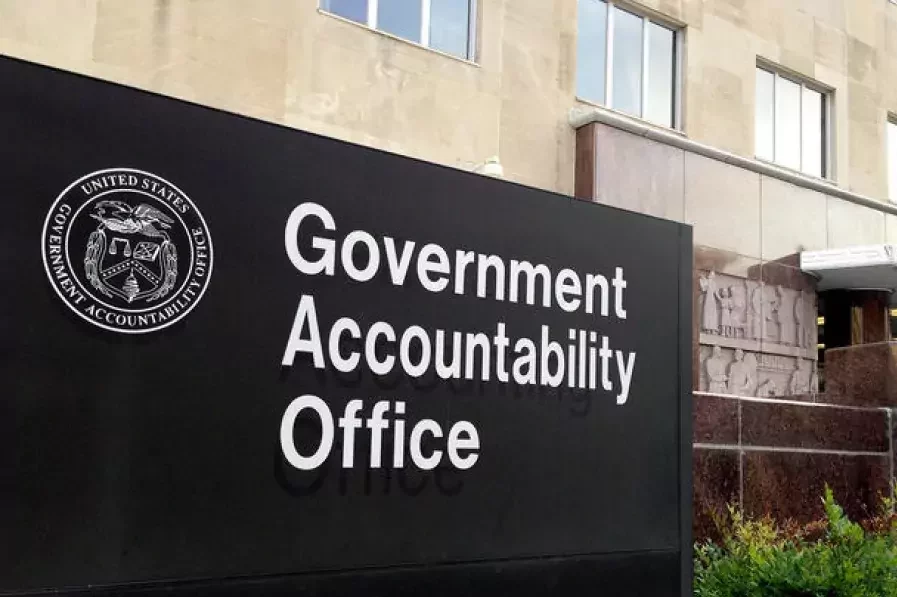
In the current Iran/Lebanon escalation cycle, DCSA's review backlog directly constrains the Pentagon's ability to accelerate classified program production. If a new anti-ship missile or advanced EW system requires facility certifications that DCSA hasn't completed, the program can't move to LRIP, delaying fielding timelines that Pacific Command and Central Command are already compressing.
The backlog also creates counterintelligence risk: unreviewed facilities are unvetted facilities, and the GAO finding suggests DCSA lacks visibility into contractor compliance during a period when foreign intelligence operations against the defense industrial base are accelerating.
This is a capacity problem masquerading as a compliance problem.
DCSA already manages clearances for roughly 3 million active holders across the defense industrial base — adding vetting workload without staffing increases creates a triage situation where low-risk facilities get deferred reviews while high-risk ones slip through cracks.
The 'hundreds of violations' figure matters only if we know the denominator: are these isolated lapses at two contractors, or systemic failures across dozens of primes and subs? The article doesn't say.
What matters operationally: if contractors can't get timely security reviews, classified program starts delay, LRIP production gets pushed, and the Pentagon's ability to surge capacity in a Taiwan or Iran contingency erodes. Raytheon, Lockheed, General Dynamics, and Northrop all depend on contractor facility certifications to maintain their own facility certifications — a cascade risk.
How many of the 'hundreds of violations' are substantive security breaches versus administrative lapses (late paperwork, expired badges)? And which contractors are affected — is this concentrated at smaller subs, or are primes also in backlog?
Fault Lines
Strategic intelligence, synthesized daily — with a public track record. Every call graded against what actually happened.