Merz Threatens to Block EU Budget Unless All 27 States Fund Ukraine's €70B Gap
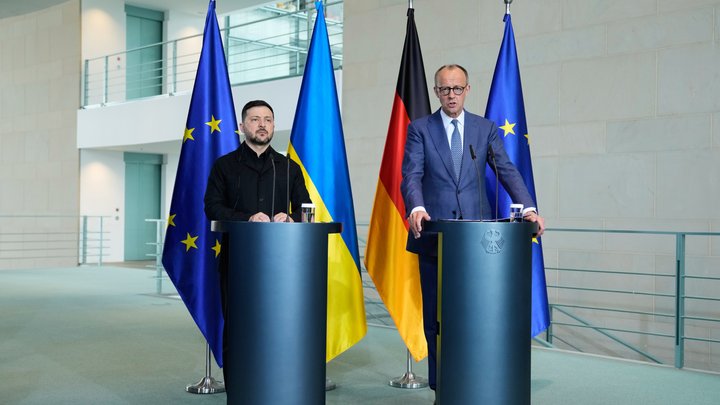
The veto threat works only if Merz can absorb the political cost of blocking the entire EU budget—a move that would freeze payments to Poland, Italy, and other allies who support Ukraine but depend on EU disbursements. If even one major net recipient breaks ranks to pressure Merz, the threat collapses.
More likely: the holdouts use this as cover to extract concessions on other portfolio items (rule-of-law funds, agricultural subsidies, migration policy) in exchange for nominal Ukraine commitments. The real test is whether Merz's gambit shifts the unanimity rule; if he succeeds, future Ukraine funding escapes the veto trap and Hungary loses its leverage permanently.
Merz has weaponized Germany's status as the EU's largest net budget contributor to force unanimous support for Ukraine financing at the moment when consensus is fracturing.
Hungary, Slovakia, Bulgaria, and Czech Republic have already refused to contribute; three won opt-outs from the €90 billion loan approved last December. The leverage works because all four are net beneficiaries of EU funds—withholding budget approval directly threatens their receipts. Merz also wants to strip the unanimity requirement for future Ukraine funding, a rule change that requires consensus to pass.
Watch the Dublin summit (November 12-13) for whether the holdouts capitulate or whether Germany actually vetoes the budget, a nuclear option that would freeze all EU spending and force renegotiation under duress.
Has Merz secured private commitments from at least two of the four holdouts before Dublin, or is he genuinely prepared to trigger a budget crisis?
Fault Lines
Strategic intelligence, synthesized daily — with a public track record. Every call graded against what actually happened.