Second Oil Tanker Hijacked Off Yemen in 10 Days; Red Sea Chokepoint Fractures
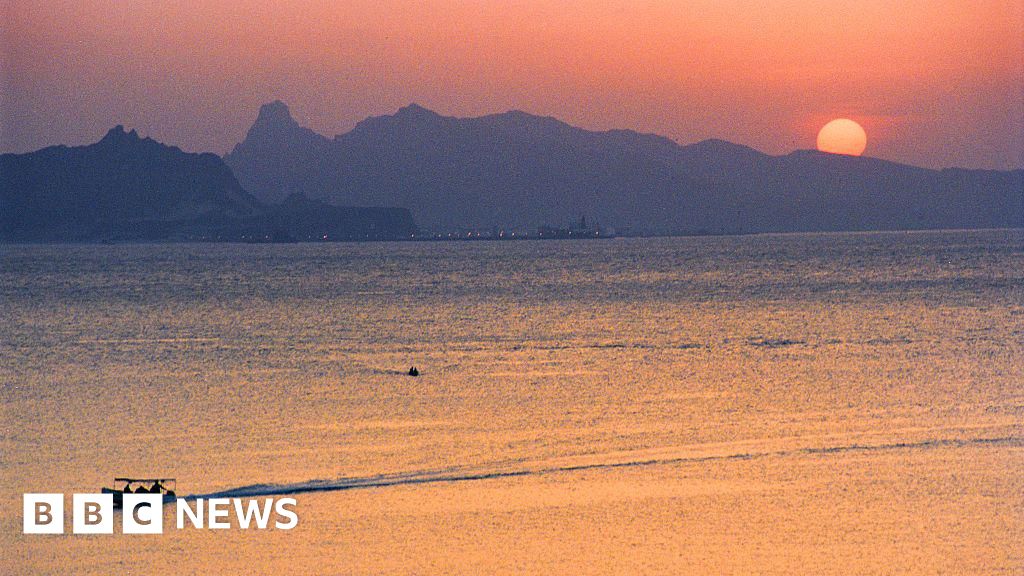
Red Sea tanker seizures convert Trump's Iran blockade from a Gulf-specific chokepoint into a multi-theater energy shock. If Houthis (Iranian-backed) are systematically seizing tankers westbound from the Gulf, they've weaponized the chokepoint without direct Iranian involvement—plausible deniability for Tehran, direct economic damage to US allies and the global oil market.
This accelerates the shift from sanctions-based energy denial to physical interdiction, forcing US Central Command to choose between convoy operations (manpower-intensive, escalatory) and accepting a de facto embargo on Gulf crude reaching Europe.
This is the second tanker seizure in a week—a rate that, if sustained, suggests the Red Sea is no longer a functional commerce corridor.
Yemen's Houthi forces have shown capability and intent to interdict shipping; add opportunistic piracy to the mix, and insurers will reprice or withdraw coverage entirely. Combined with the 90% collapse in Hormuz transits already documented, global oil logistics are fragmenting across two critical chokepoints simultaneously. The market hasn't yet priced dual-chokepoint closure.
When it does—and when underwriters formally declare the Red Sea a war-risk zone—shipping costs to Europe spike 15-25%, and refineries on the US Gulf Coast lose feedstock access, forcing margin compression and potential output cuts.
Which actor conducted the hijacking—Houthis executing a deliberate interdiction strategy, or stateless pirates capitalizing on the security vacuum created by Houthi activity? The answer determines whether this is a coordinated blockade or chaos.
Fault Lines
Strategic intelligence, synthesized daily — with a public track record. Every call graded against what actually happened.