Navy, Air Force Adopt BAE APKWS Variant for Drone-Swarm Defense
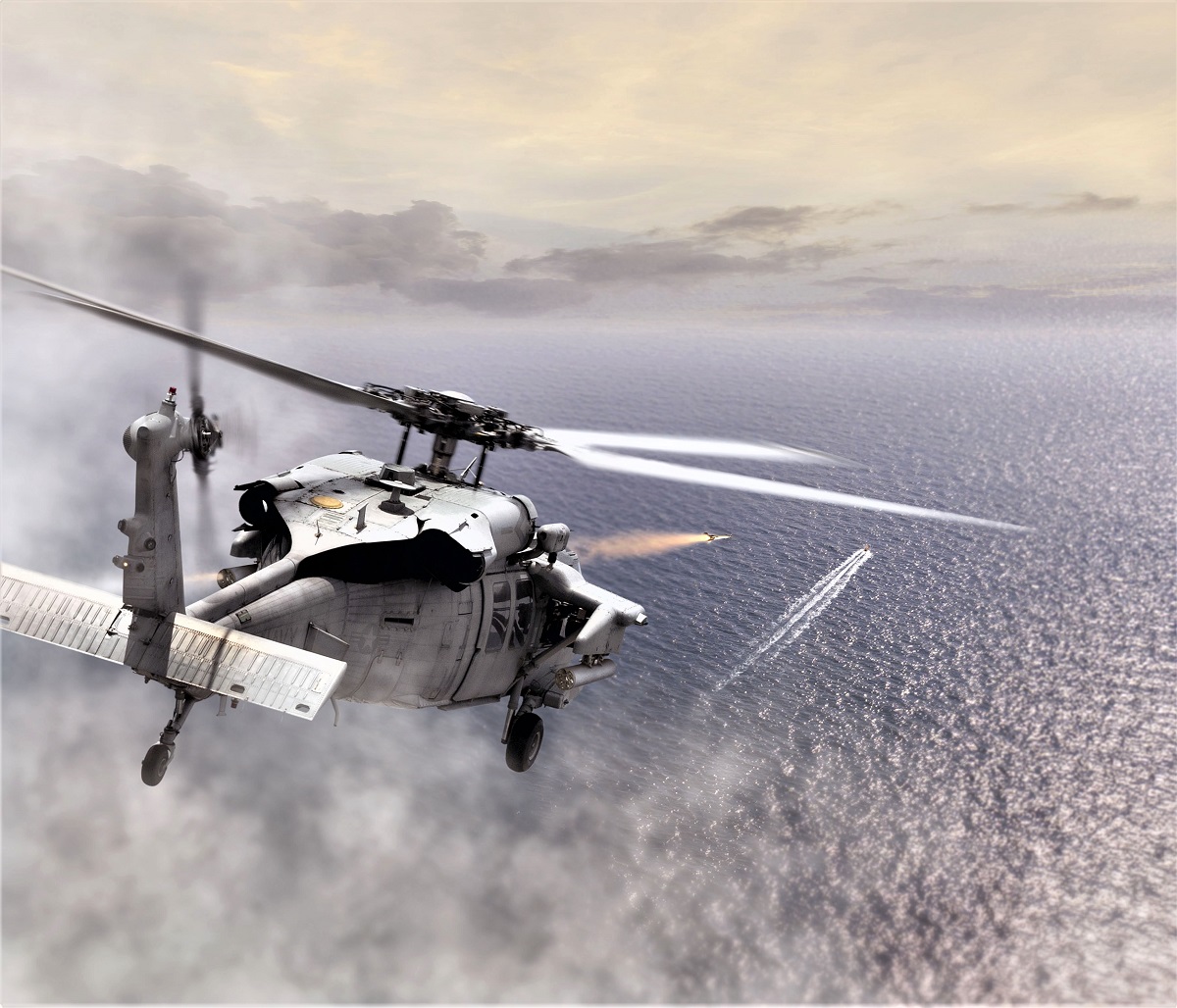
The procurement cascades into two separate timelines: BAE's manufacturing ramp (which determines whether this remains a theater-specific band-aid or becomes a fleet standard) and platform integration on MH-60 and F-16 variants (which constrains how quickly these aircraft can be operationally deployed with the new capability).
Cost matters here because if the APKWS variant must be priced below $30K per round to meet CENTCOM's swarm-engagement economics, margin pressure on BAE will surface in negotiations over sustainment and future derivative programs. Conversely, if CENTCOM accepts higher unit cost, the precedent weakens the case for cost discipline on future urgent requirements.
This represents a near-term operational response to a specific theater threat (drone swarms in CENTCOM) rather than a fleet-wide capability shift.
BAE gains a near-certain production pathway for a derivative weapon; program managers on MH-60 and F-16 platforms must plan integration timelines and validate compatibility with existing fire-control systems.
The decision to prototype rather than full-rate produce suggests confidence in the concept but leaves open questions about manufacturing scale, unit cost, and whether this addresses the full spectrum of swarm threats or only a subset.
Watch whether CENTCOM's stated requirement (hundreds of engagements) forces a cost reduction below current APKWS pricing (~$40K–60K per round in legacy variants) or whether the urgency overrides cost discipline.
The article does not specify production timeline, unit cost target, engagement range/altitude envelope, or how many rounds per platform are being procured.
Fault Lines
Strategic intelligence, synthesized daily — with a public track record. Every call graded against what actually happened.